
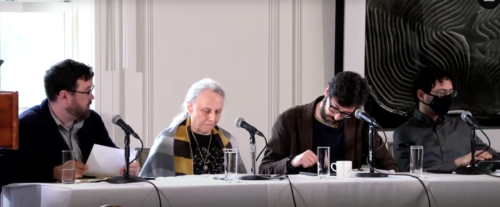

Video  

Optimizing for What? Algorithmic Amplification and Society

GETTING-Plurality Workstream Lead Aviv Ovadya recently discussed his work on bridging systems as part of “Optimizing for What? Algorithmic Amplification and Society.” This two-day symposium at Columbia University’s Knight First Amendment Institute explored algorithmic amplification and distortion as well as potential interventions.

Related Resources

Q & A: Crocodile tears, Can the ethical-moral intelligence of AI models be trusted?
A hand pressing a tablet using AI.

Q+A

Q & A: Crocodile tears, Can the ethical-moral intelligence of AI models be trusted?

As artificial intelligence becomes more embedded in everyday decision-making, its role in shaping how people think about ethics and morality is drawing increasing scrutiny. In this conversation with researcher Sarah Hubbard, we discuss insights from her co-authored paper, “Crocodile Tears: Can the Ethical-Moral Intelligence of AI Models Be Trusted?—examining how AI systems respond to moral dilemmas, and what this reveals about the risks, limitations, and need for greater transparency and human oversight in AI-driven ethical guidance.

Bootstrap Blackness: Black Men, Conservatism, and Party Politics
A man voting.

Article

Bootstrap Blackness: Black Men, Conservatism, and Party Politics

A new research article by Dr. Christine Slaughter, Research Fellow at the Allen Lab for Democracy Renovation and co-authors examines the narrative of black men’s political “shift right”. The study finds Black men remain overwhelmingly Democratic, despite growing public attention to ideological divides.


Voter Experience Summit Recap

Commentary

Voter Experience Summit Recap

Allen Lab Fellow Hillary Lehr convened a Voter Experience Summit at Harvard’s Ash Center in March, bringing together 25 cross-sector experts to rigorously map the voter journey. This essay explores how that collaborative process could lay the groundwork for new interventions to understand and improve the experience of voting for all.