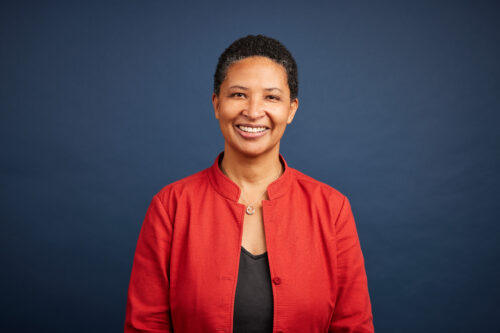
Danielle Allen
Professor of Public Policy, James Bryant Conant University Professor
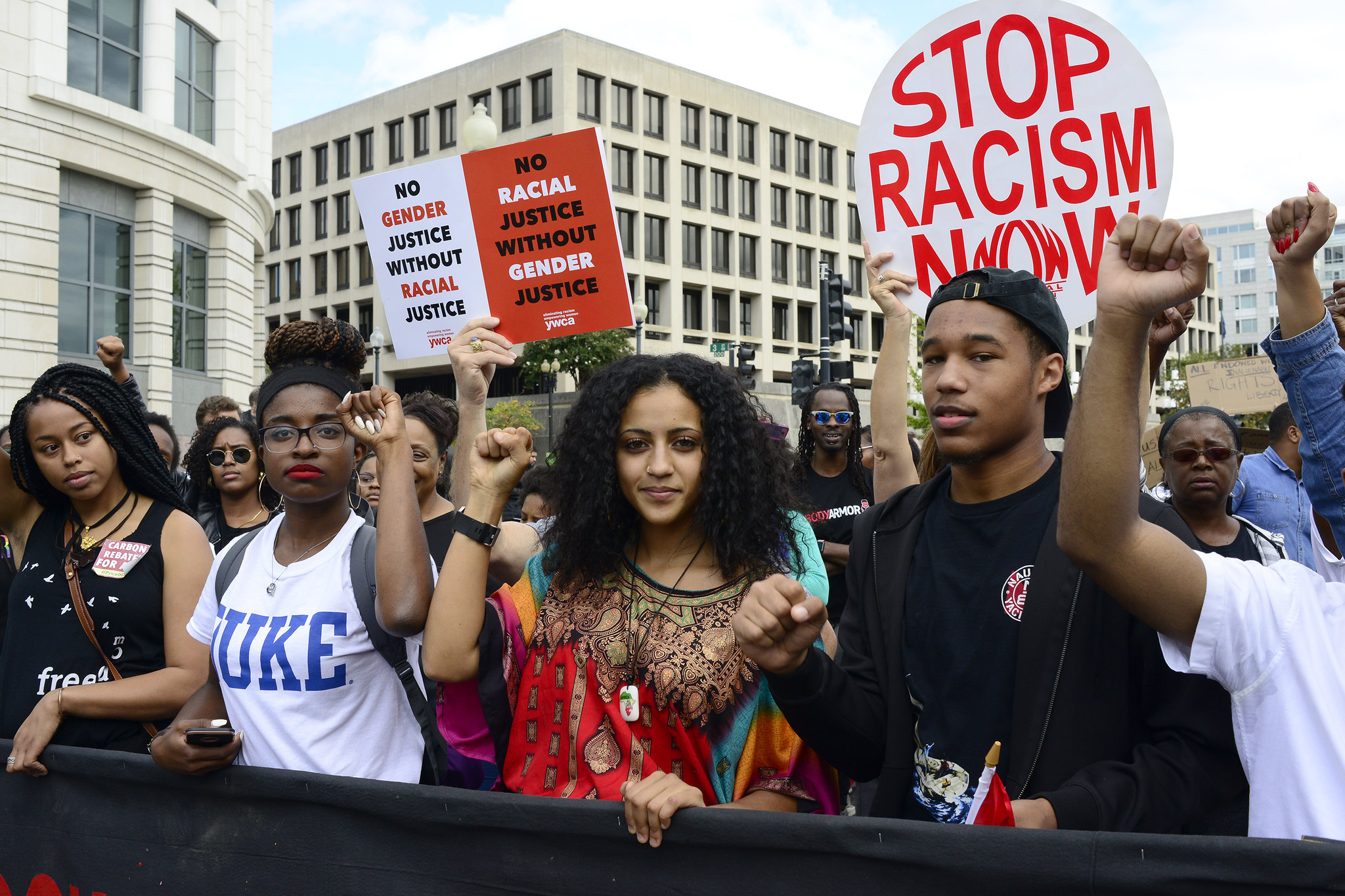
Antiracism is a critical building block for a modern, healthy democracy.
Multiracial, multiethnic democracy doesn’t just happen — we have work to do to get there.
Antiracist institutions and organizations address and challenge racial disparities by instituting policies and recommendations to foster greater diversity, equity, and inclusion.
We encourage you to explore the below events, research, and commentary to learn more about our work.
Professor of Public Policy, James Bryant Conant University Professor
Adjunct Lecturer in Public Policy
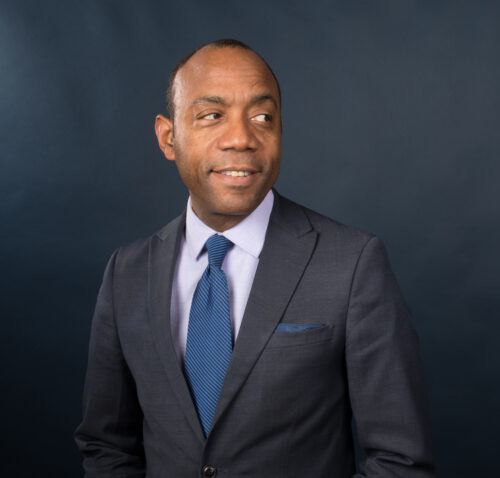
Hauser Professor of the Practice of Nonprofit Organizations;
Professor of the Practice of Public Leadership and Social Justice

Director, Ash Center for Democratic Governance and Innovation;
Co-Director of the Program on Democracy and the Informed Public;
Winthrop Laflin McCormack Professor of Citizenship and Self-Government
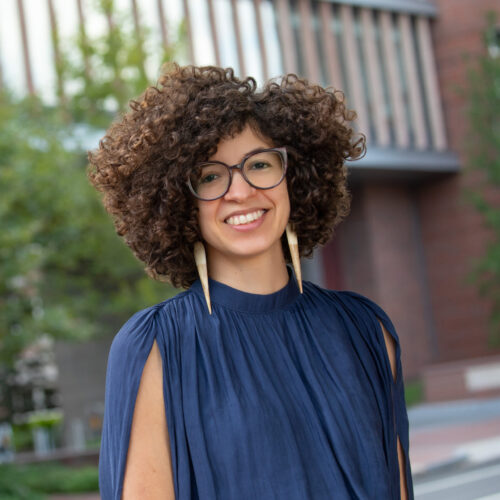
Ford Foundation Assistant Professor of Public Policy

Article
A new article in the American Journal of Political Science, co-authored by Yanilda María González, Ford Foundation Associate Professor of Public Policy and Ash Center affiliate, examines public attitudes toward police violence in Brazil. The authors find that while police discourse can increase public endorsement of violence, counternarratives from marginalized victims can be effective in reducing citizen support for repressive policing.

Article
A new research article by Dr. Christine Slaughter, Research Fellow at the Allen Lab for Democracy Renovation and co-authors examines the narrative of black men’s political “shift right”. The study finds Black men remain overwhelmingly Democratic, despite growing public attention to ideological divides.
Commentary
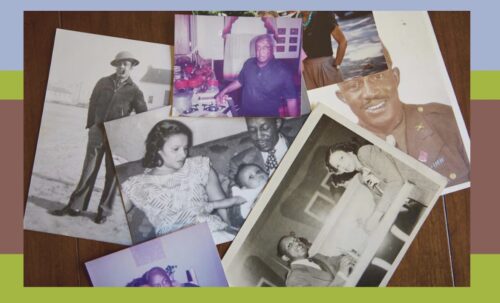
As we commemorate 100 years of Black History Month, it is worth remembering that progress was not driven by headlines alone. Beyond the monuments and courtrooms, everyday people took risks to demand dignity and fairness. Among them was my great uncle, whose pursuit of a promotion became a catalyst for change.
Commentary
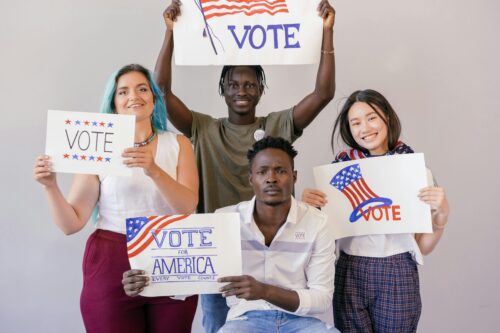
Allen Lab Policy Fellow Christine Slaughter makes the case that democracy must be understood through people’s lived experiences and agency, not just institutions.
Podcast
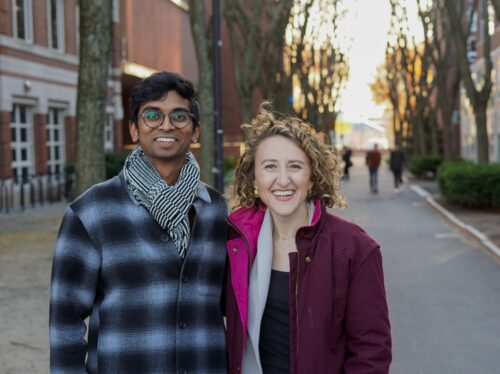
Over the past five years, Untying Knots has served as a vital platform for conversations about racial justice, systemic oppression, and community-driven change. Co-hosted by Erica Licht and Nikhil Raghuveera, the podcast — born from a Harvard Kennedy School course in 2020 — explored how people and institutions are working to dismantle entrenched systems of racial inequity while building new frameworks rooted in justice and accountability. As the podcast concludes, Licht and Raghuveera reflect on its origins, evolution, and enduring impact, offering insights into the lessons learned and the powerful voices that shaped its journey.

Feature
Five insights on race, class, and gender in the 2024 presidential election from Professors Khalil Gibran Muhammad and Leah Wright Rigueur

Additional Resource
The insights and feedback gathered at the event will guide IARA’s forthcoming report, which aspires to catalyze ongoing policy, advocacy, and community-based efforts for social change.

Feature
Six seasoned speakers offered practical strategies for confronting the anti-DEI movement at the sixth annual conference of the Institutional Antiracism and Accountability (IARA) Project.

Feature
Examining the American Medical Association Archives to Understand Racial Disparities in Healthcare
Feature
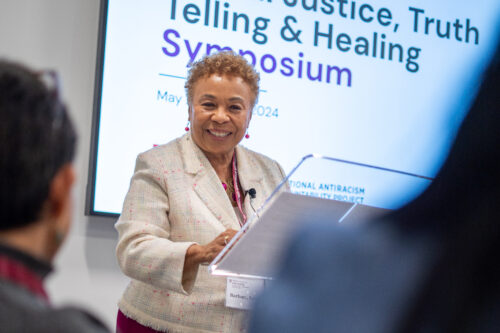
At the Global Justice, Truth-Telling, and Healing Symposium, Lee speaks on how we can interrupt the cycle of inaction when it comes to reparative justice in the United States.
Feature
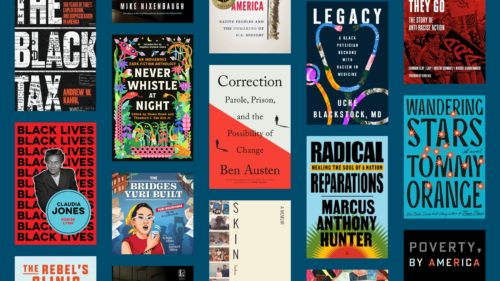
15 noteworthy recent releases handpicked by the Institutional Antiracism and Accountability (IARA) Project.
Video
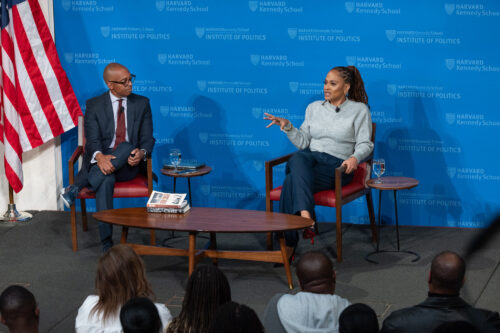
Professor Khalil Gibran Muhammad was joined by Oscar-nominated filmmaker and screenwriter Ava DuVernay in JFK Jr. Forum

Video
Artist Hank Willis Thomas spoke with Harvard professor Sarah Elizabeth Lewis about how love guides his artwork at a Harvard Kennedy School Institute of Politics forum.

Feature
This reading list from the Institutional Antiracism and Accountability Project explores the intersection of sports and racial justice, in the lead-up to their panel on March 19.

Feature
The best of the Race, Research, and Policy Portal (RRAPP) this year