Additional Resource

Video
The Allen Lab for Democracy Renovation’s Making Democracy Interesting webinar brought together scholars, writers, and creators to explore how storytelling can make democratic life feel more accessible, human, and compelling.
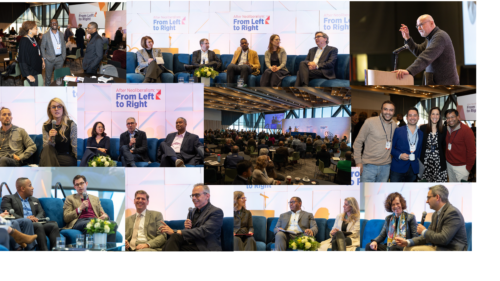
Making Democracy Interesting brought together scholars, writers, and creators to explore how storytelling can make democratic life feel more accessible, human, and compelling. The panel was moderated by James Bryant Conant University Professor Danielle Allen and WIRED’s former editor-in-chief Gideon Lichfield, an Allen Lab Fellow, and featured:
Their discussion examined why traditional political language often fails to connect, especially with younger generations, and how parasocial relationships, narrative experimentation, and participatory media can enliven civic engagement. From real-world experiments in collective problem-solving to creator-led movements that mobilize millions, the discussion offered concrete examples of how democracy is lived and shared experiences and not just an abstract ideal. Watch the recording to hear how storytelling might help democracy find its audience again.
Additional Resource

Additional Resource
The Allen Lab is proud to have contributed to this timely landscape report from The David & Lucile Packard Foundation mapping the emerging field of AI and democracy.

Commentary
Allen Lab Affiliate Benjamin A. Barsky examines alternative emergency response programs — arguing for a democratic model of public safety governance in which responses to nonviolent incidents are shared across government and civil society rather than dominated by police.