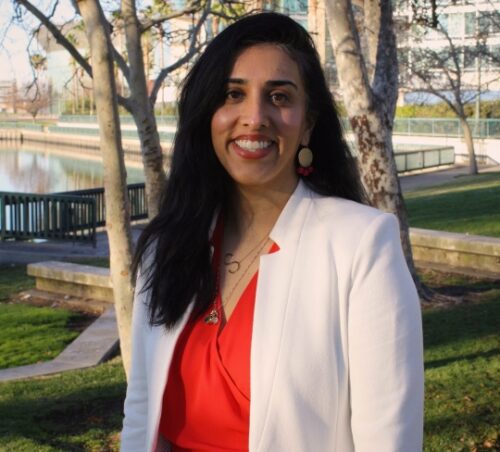
By Sonali Nijhawan
The Case for Building an AmeriCorps Alumni Leadership Network
How do we ensure that when a person completes a term of national service, their skills and their fire for their community aren’t lost?
As Director of AmeriCorps during the Biden-Harris Administration, my work was defined by managing the complex policy and administrative needs of a national agency. Serving now as a Policy Fellow with the Allen Lab for Democracy Renovation at the Harvard Kennedy School, I have shifted my frame to think expansively about the 1.4 million Americans who have dedicated years of their lives to service. While my previous role was about the stewardship of a system, this fellowship is about the stewardship of people. My mission is to apply the concepts of power-sharing and inclusive leadership to building a permanent, supportive home for those who have finished their service.
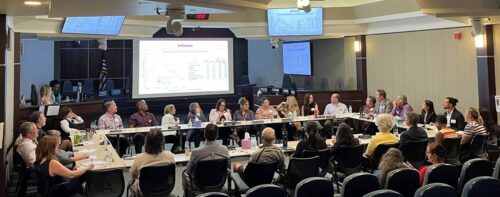
This project is driven by a simple and urgent question: how do we ensure that when a person completes their term of service, their skills and their fire for their community aren’t lost? HKS, with its commitment to public service and leadership, is a natural center of gravity for this inquiry. The work will take a practical shape this summer as we convene alumni, researchers, and policymakers here on the Harvard Kennedy School campus to co-create a roadmap of what could be. We begin with a clear-eyed understanding of who AmeriCorps alumni are, what their service cultivates, and why their leadership remains structurally underleveraged.
AmeriCorps Alumni: Singular and Strategic Leaders
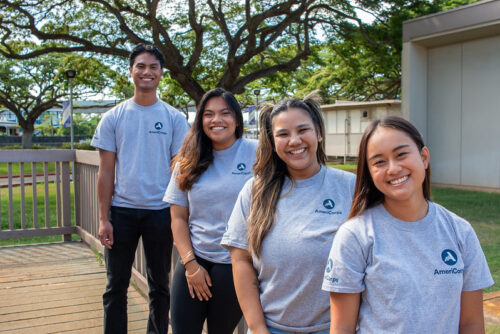
Over 1.4 million Americans have completed AmeriCorps service since 1993—a vanguard of action-oriented citizens who have developed a singular combination of practical problem-solving skills and deep commitment to the public good. Addressing local needs alongside community members fosters a lifelong lens through which alumni understand their country and appreciate their responsibility to strengthen it. AmeriCorps alumni know what it means to serve, to listen, and to lead from the ground up. Their service hones skills in facilitation, coalition-building, and policy implementation. Crucially, alumni have witnessed how engaged citizens create meaningful change—experiencing firsthand the pathways from individual concern to collective action.
After their AmeriCorps service experience, however, members scatter. They take on jobs in myriad sectors across the country and globe. Their expertise becomes isolated. They chart their career paths largely on their own. There are few coordinated avenues for continued connection—to service or to one another. Importantly, too, the voices of AmeriCorps alumni are largely absent from debates about expanding and evolving national service.
Yet, AmeriCorps alumni often continue contributing to their communities and nation long after their terms end. At this moment of extreme political tribalism and polarization, they are uniquely positioned to step into leadership roles that bridge divides rather than deepen them. Their shared experience of service across different backgrounds gives them the credibility and perspective to bring communities together around shared purpose. Many alumni are already leaders in their communities and sectors, but their impact remains fragmented. Without deliberate investment in connecting and mobilizing them, their collective potential to counter national apathy, bridge our divides, and elevate service goes unrealized.
A Force Multiplier
“AmeriCorps alumni can become a transformative civic force that reinvigorates public service, rebuilds trust in government, and strengthens civic participation.”
The solution: build the AmeriCorps Alumni Leadership Network. The true promise of AmeriCorps lies not just in what members accomplish during their service year, but in what they can accomplish afterward. When organized, supported, and mobilized, AmeriCorps alumni can become a transformative civic force that reinvigorates public service, rebuilds trust in government, and strengthens civic participation. By engaging AmeriCorps alumni in dynamic opportunities for networking, training, and collective action, their service becomes not a moment in time, but the foundation of a sustainable leadership identity.
The AmeriCorps Alumni Leadership Network will activate and connect alumni by:
- Accelerating pathways to positions of influence in government and civic institutions where alumni shape policy, drive innovation, and reclaim public service at the highest levels—not just as individual professionals, but as a distinct leadership class with shared values and proven commitment to the public good.
- Building ongoing leadership capacity through targeted training, strategic convenings, and service opportunities that equip alumni to lead with their unique perspectives wherever they choose to work, ensuring all sectors can benefit from their voice and expertise.
- Creating infrastructure for networking and mobilization across geography, identity, and issue areas, enabling rapid coordination when alumni leadership is needed and ensuring that 1.4 million proven community problem-solvers can be called upon to serve in real time to get things done.
- Channeling community insight into systems change, through policy recommendations and advocacy, which demonstrates what’s possible when direct service experience informs national policy.
This network transforms 1.4 million individual service experiences into collective power—proving that national service creates not just temporary surge capacity, but the enduring leadership infrastructure our democracy needs.
Interested in this project? Please contact Sonali Nijhawan at sonali_nijhawan@gse.harvard.edu. Sonali Nijhawan is a policy fellow at the Allen Lab for Democracy Renovation, AmeriCorps alum and the former Director of AmeriCorps.