
Research & Resources

Through our books, case studies, journal articles, papers, and surveys, the Ash Center is home to some of the world’s most advanced research and publications on issues related to democratic governance and self-governance.

To explore all research authored by Ash Center faculty, please visit the Harvard Kennedy School website. You can view the Ash Center’s open access policy here.

Captiol building with trend graphic

Additional Resource

How Americans Navigate Voting Information Ahead of the 2026 Midterm Elections

The Shorenstein Center’s 2026 Voting Information Trends project—developed in collaboration with the National Internet Observatory at Northeastern University, the Ash Center for Democratic Governance and Innovation’s Program on Democracy and the Informed Public, and The Civic Health and Institutions Project—provides new insights into the voter information landscape in the United States ahead of the 2026 midterm elections.

Among the resources, an interactive dashboard maps where Americans are finding voting information and learning about key aspects of the voting process—from sourcing polling locations to voter registration. Also included are a series of trends reports gauging perceptions of voting in the lead up to the 2026 midterm elections.


Read The Story

Filter by

  • Issue Areas
  • Programs
  • Format

Filters

Close

Filters

Issue Areas
Programs
Format

253 Items

of 29

Newest

From Food to Finance: What Makes Disclosure Policies Effective?
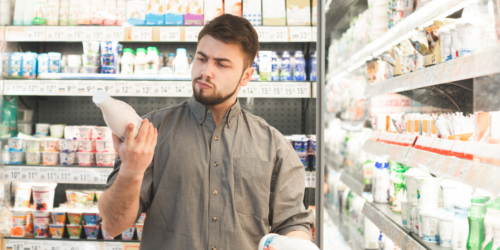
Woman looking at grocery product

Policy Brief

From Food to Finance: What Makes Disclosure Policies Effective?

Nutritional labels told dieters to cut calories — so they skipped the fat warning that actually mattered. Archon Fung, Mary Graham, David Weil, and Elena Fagotto studied 15 disclosure laws and found the same pattern again and again: giving people facts doesn’t guarantee they’ll use them the way policymakers intended.

The Political Economy of Transparency : What Makes Disclosure Policies Effective?
A team discussing documents

Paper

The Political Economy of Transparency : What Makes Disclosure Policies Effective?

Restaurant letter grades changed how Los Angeles ate almost overnight. So why did mandatory hospital error reporting go nowhere, even as the death toll climbed past 44,000 a year? Archon Fung, David Weil, Mary Graham, and Elena Fagotto dig into what separates a transparency policy that reshapes an industry from one that just sits on a shelf.

The Political Economy of Transparency: What Makes Disclosure Policies Sustainable?
Person looking closely at a document

Paper

The Political Economy of Transparency: What Makes Disclosure Policies Sustainable?

Enron’s collapse rewrote financial disclosure rules. SUV rollovers rewrote auto safety labels. But not every transparency law ages well — some quietly degrade into empty paperwork exercises. Archon Fung, Mary Graham, and David Weil trace what separates a disclosure system built to last from one built to fail.

Information as Risk Regulation: Lessons from Experience
Person analyzing risk at a scale from low to high

Paper

Information as Risk Regulation: Lessons from Experience

Medical mistakes, tainted tap water, junk food, toxic factories — four of the government’s most ambitious disclosure programs tackled four completely different problems. Mary Graham found they broke down in strikingly similar ways, and the lessons could shape every transparency law that comes after them.

Disclosure of Toxic Releases in the United States
Environmental Worker Inspecting Industrial Hazard Zone During Wastewater Pollution Monitoring

Article

Disclosure of Toxic Releases in the United States

A last-minute rider that even the EPA and environmental groups shrugged off turned into one of the most quietly powerful pollution laws in US history. Mary Graham and Catherine Miller revisit the Toxics Release Inventory’s famous 46 percent decline — and find the real story is a lot messier than the headline number suggests.

Improving Communication About New Food Technologies
Buyer uncertain of which products to choose

Article

Improving Communication About New Food Technologies

Cholesterol-fighting margarine, genetically engineered vegetables, soup laced with St. John’s wort — new “disease-fighting” foods were hitting shelves faster than shoppers (or regulators) could keep up. David Greenberg and Mary Graham argue the real risk isn’t the science, it’s the silence around it.