Podcast
Terms of Engagement – Should Noncitizens Be Allowed to Vote in the U.S.?
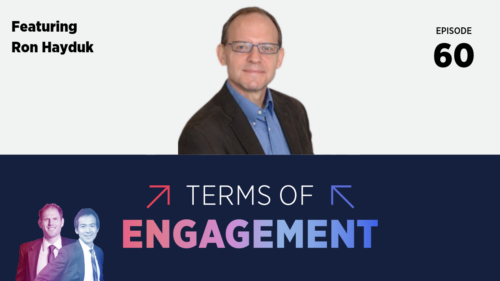
On this week of Terms of Engagement, Professor Ron Hayduk joins co-hosts Archon Fung and Stephen Richer to discuss whether noncitizens should be allowed to vote.

Feature
Analysis by Harvard Kennedy School’s Pippa Norris and co-author Kseniya Kizilova shows nationalism and desire to protect democratic freedoms motivate Ukrainian citizens to resist Russia’s invasion.

“One of the most remarkable aspects of the tragic events in Ukraine concerns the sudden uprising of thousands or even millions of ordinary citizens,” write the Kennedy School’s Pippa Norris and Kseniya Kizilova, an associated research fellow at V.N.Karazin Kharkiv National University in Ukraine, in a newly published analysis examining the motivation behind the staunch Ukrainian resistance to Russia’s invasion. Harrowing scenes of Ukrainian civilians taking up arms to defend themselves against Russian forces with assault rifles, homemade incendiary Molotov cocktails, and even kneeling to block Russian tanks have been broadcast to people around the world watching events unfold in Ukraine in real time.
Norris and Kizilova work to answer the question: Why are Ukrainian citizens so willing to voluntarily face severe injury and death to resist the Russian invasion? Reviewing data from the European Values Study/World Values Surveys (EVS/WVS), as well as a number of more recent surveys of Ukrainians just prior to the outbreak of fighting, the authors find that, “clearly the intense shock of the current Russian invasion may well prove critical in changing attitudes and behavior, spurring many Ukrainians into action who might never have contemplated bearing arms before.”

But beneath the intense reaction many Ukrainians have felt towards the images of Russian armor encircling cities and towns across the country, the authors delve into several other factors present in the survey data, which in part help explain the nature of the Ukrainian resistance. National identities, or as Norris and Kizilova define the terms further “socially constructed sense of belonging which often reflects shared historical traditions, languages, religions, cultural values, and territorial boundaries” are ever present in the survey data. Not surprisingly a willingness to fight is correlates to a stronger sense of Ukrainian nationalism. Ethno-linguistic cleavages also show variations in the willingness to fight between the Ukrainian speaking regions in the West and Russian speaking areas in the East, but the last eight years of Russian military and political pressure arrayed against Ukraine has help blunt those differences. “Far from reflecting fixed ethno-linguistic identities, however, there has been a rise of nationalism and willingness to fight for their country in the East and in the South – particularly those regions bordering the annexed Crimea and the occupied Donbass territories.”
The authors, however, do not simply ascribe the mass Ukrainian resistance to the shock of war, the tug of national or linguistic identity, but rather they find in the survey data that the defense of democratic principles and the protection of fundamental liberal freedoms is an important motivator as well. “Approval of democracy and confidence in the key agencies of the Ukrainian state were also linked to mobilization,” argue Norris and Kizilova. Conversely, survey respondents who voiced support for strongman rule evinced greater reluctance to engage in acts of resistance. Ultimately, they write, “statements that the resistance is committed to liberal democratic ideals are more than rhetoric, but reality.”
Podcast
On this week of Terms of Engagement, Professor Ron Hayduk joins co-hosts Archon Fung and Stephen Richer to discuss whether noncitizens should be allowed to vote.
Video
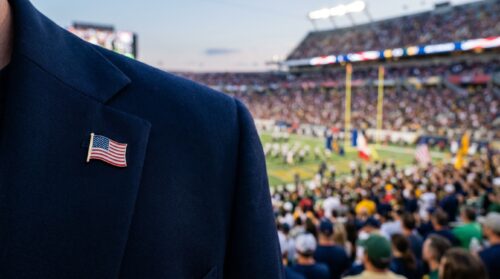
A recent event explored how sports have shaped movements for racial justice, gender equality, religious freedom, LGBTQ+ rights, disability rights and broader inclusion in the United States.
Podcast
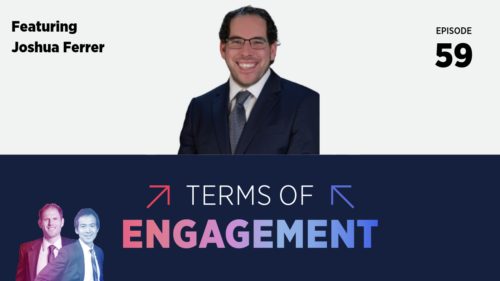
On this week’s episode of “Terms of Engagement,” Assistant Professor Joshua Ferrer joins co-hosts Archon Fung and Stephen Richer to discuss his research and explore whether election officials should be elected or appointed.