Podcast
Terms of Engagement – Should Noncitizens Be Allowed to Vote in the U.S.?
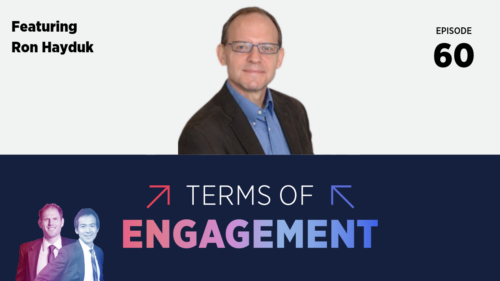
On this week of Terms of Engagement, Professor Ron Hayduk joins co-hosts Archon Fung and Stephen Richer to discuss whether noncitizens should be allowed to vote.
Video
Harvard Ash Center Senior Practice Fellow in American Democracy Miles Rapoport advocates that universal voting, a requirement that every citizen cast a ballot, could reduce polarization and pave a pathway to a more equitable American democracy.
Podcast
On this week of Terms of Engagement, Professor Ron Hayduk joins co-hosts Archon Fung and Stephen Richer to discuss whether noncitizens should be allowed to vote.

Video
A recent event explored how sports have shaped movements for racial justice, gender equality, religious freedom, LGBTQ+ rights, disability rights and broader inclusion in the United States.
Podcast
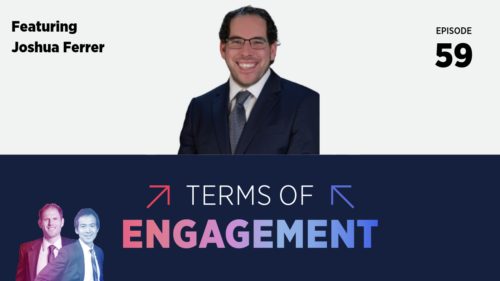
On this week’s episode of “Terms of Engagement,” Assistant Professor Joshua Ferrer joins co-hosts Archon Fung and Stephen Richer to discuss his research and explore whether election officials should be elected or appointed.

Feature
Amid rising threats, harassment, and political polarization, panelists at a recent Ash Center webinar discussed how law enforcement and election officials can collaborate to protect voters and election workers while safeguarding public trust.

Additional Resource
On campus last week, Allen Lab Fellow Joshua Darr shared his recent report, From Questions to Evidence, with Allen Lab members and Harvard’s Nieman Lab (A new report argues newsrooms need to do more experiments — like, the kind with randomization and results). Darr is the director of the Local NExT Lab at Syracuse University.
Paper
Members of the Ash Center’s Executive Session on Elections and Election Administration present a comprehensive strategy to recruit, support, and retain election administrators by reducing barriers to entry, strengthening professional networks, improving workplace support, and utilizing workforce data address burnout and prevent attrition.