Feature
The Past, Present, and Future of Democracy—A Summer Reading List from the Allen Lab
As we celebrate America’s 250th, the Allen Lab for Democracy Renovation is reflecting on how we arrived at this moment and where we are headed.
Read the latest news, commentary, and analysis from the Ash Center.
Feature
As we celebrate America’s 250th, the Allen Lab for Democracy Renovation is reflecting on how we arrived at this moment and where we are headed.
Newest
Feature
As some of the oldest civic organizations in Boston, neighborhood associations are integral to the city’s local politics. Millward examines who participates, and how to make these groups more inclusive.
Feature
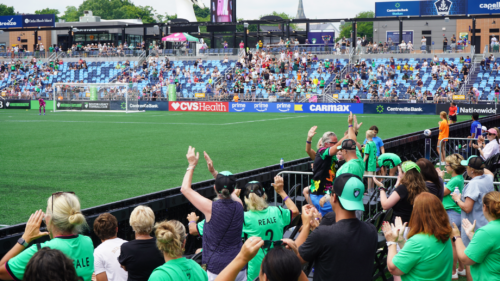
The Ash Center’s Tova Wang and NFL executive Scott Pioli make the case for using sports stadiums as polling places this fall.
Feature
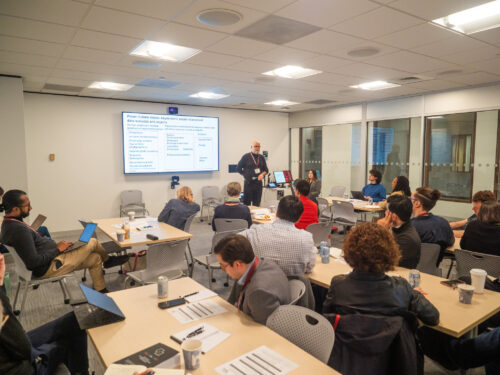
Experts gathered at the Allen Lab conference to examine the incentives and structures of AI development, as well as to discuss the past, present, and potential future of steering AI towards better serving the public interest.
Commentary
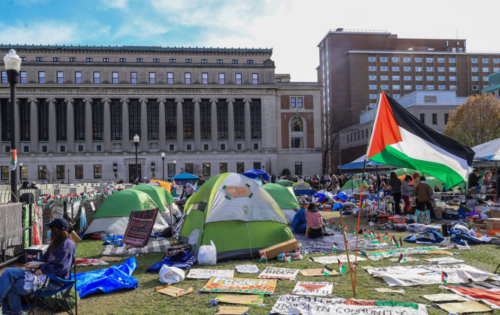
Crowd Counting Consortium data show more than 3,700 days with pro-Palestinian protest activity at over 500 U.S. schools since October 7, 2023, including encampments at more than 130 of them.
Feature
In new paper, Danielle Allen explores how higher ed can play a role in promoting the health of our democracy.
Feature
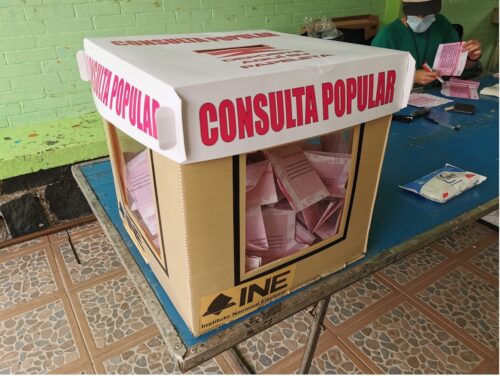
As concerns for the health of democracy mount, Medha Uniyal and Kartikeya Bhatotia consider one particular “experimental democratic practice” that could increase connectivity between citizens and decision-making processes.
Podcast
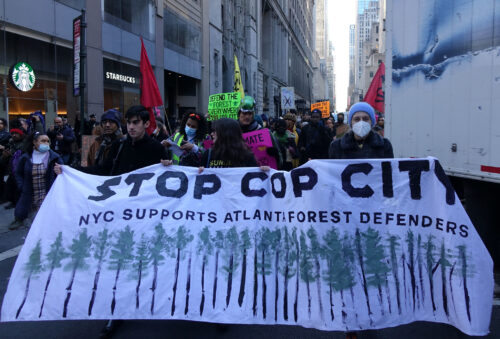
In episode three of the Nonviolent Action Lab podcast, host Jay Ulfelder talks with two people at the heart of DC-area protests against the Supreme Court decision to overturn Roe v. Wade.
Feature
From misinformation to AI panic, experts joined the Allen Lab’s GETTING-Plurality event to discuss the threats the burgeoning technology poses to democracy.
Feature
At the Global Justice, Truth-Telling, and Healing Symposium, Lee speaks on how we can interrupt the cycle of inaction when it comes to reparative justice in the United States.