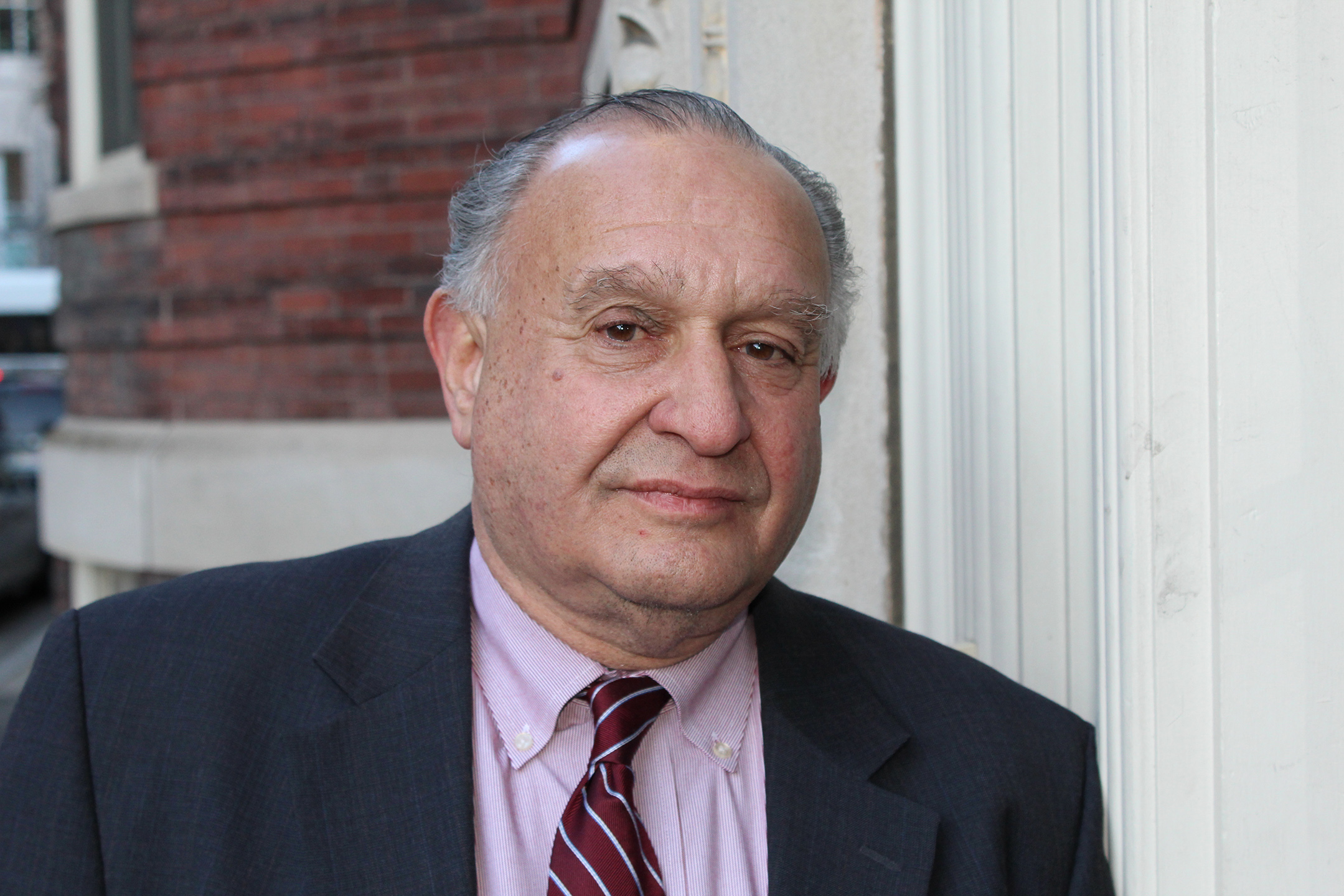
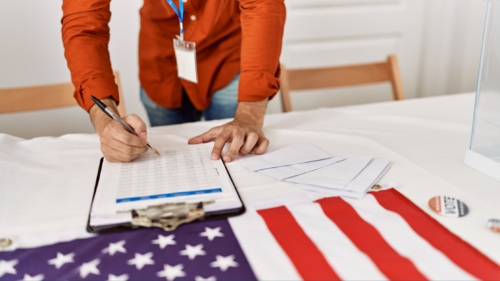
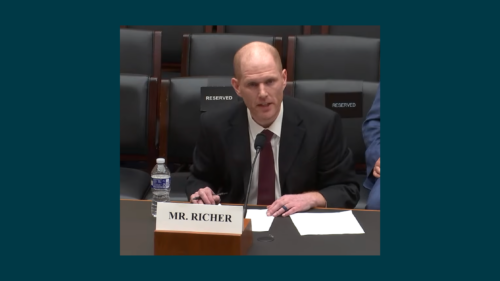
As Boston looks back on a historic election season, which saw Michelle Wu become the city’s first person of color and first female elected mayor in the city’s history, one figure stood out as the votes were counted last week – the number of Bostonians who didn’t vote. Only 30% of eligible voters showed up to the polls, down 8 points from 2013, the last time there was no incumbent running for mayor, even though opportunities for mail-in voting and drop box locations were dramatically expanded in intervening years. One solution to reversing anemic voter turnout numbers in Massachusetts and across the country is universal civic duty voting. To learn more about universal voting, we spoke with Ash Center senior practice fellow Miles Rapoport, who recently testified before the Massachusetts Legislature’s Joint Committee on Election Laws about how this tool could be used in the Bay State to spur more people to the polls.
Ash: Why has universal voting gotten short shrift as part of the broader discussion about how to increase voter participation in the U.S?
Rapoport: This is an example of America’s sense of its exceptionalism, which involves not adopting good ideas from abroad, which is true in all too many instances. On the other hand, it is a little remarkable that it hasn’t been part of the discussion, since 26 democratic countries in the world do have voting as a civic requirement for every citizen. And one of them is Australia, from whom the US also imported the secret ballot 130 years ago. Australia adopted universal civic duty voting in 1924. Voting participation, which had been similar to current US levels, immediately jumped to 90% and has stayed at that level for 100 years. People there really like the system, it has helped develop a celebratory civic culture, and there have been no serious attempts to repeal the law. So I think it is time for the US—at this ‘inflection point’ in our democracy—to have a serious discussion of universal voting.
If a state or the country as a whole adopted universal voting, what impact would it have on elections and campaigning?
I think there would be a number of impacts, all positive. To start with, the level of voter participation would jump. We had a record turnout in the 2020 Presidential election of 66%, which still left one-third of eligible voters out of the process. Universal voting would also make the electorate far more representative of the population as a whole since the current actual voting electorate still skews significantly toward voters who are older, whiter, richer, and more educated than the population as a whole. Campaigns would change as well. The strategy, currently in almost universal usage by campaigns and political parties, to focus fully on turning out your base, or—even worse, depressing your opponent’s turnout—would be obsolete. If everyone is going to vote, then every campaign has to speak to every voter, and that would be a healthy thing.
What about society as a whole?
Using Australia as a kind of proof of concept, we would very likely see all the institutions of society shift towards encouraging full participation. Schools would emphasize civic education if every 18 graduate was going to be required to vote. Companies and employers of all kinds would make greater allowances for people to vote. Media platforms would be sure to let people know where and how to fulfill their civic responsibilities. And Australian observers have noted that voters themselves make greater efforts to learn about the issues and candidates. In Australia, the consequence of not voting is a $15 fine, and the experience is that it is quite rarely imposed because the responsibility of voting is deeply ingrained in the culture—including ‘democracy sausages’ which are ubiquitous on Election Day.
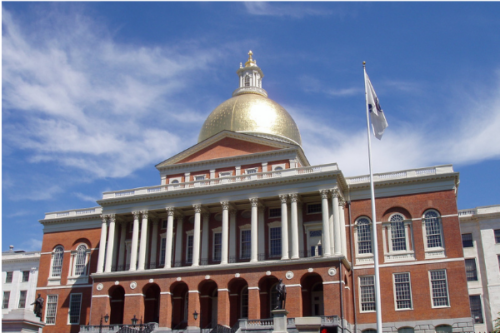
Massachusetts has a provision in its constitution already allowing universal voting. What would happen to actually implement such a system in the commonwealth today?
That amendment to the State Constitution was adopted in 1921, and Massachusetts is the only state to have that provision. One hundred years later, the state legislature can absolutely pass legislation to require universal voting in state elections. As you noted, legislation was introduced this year, and Massachusetts held the first-ever hearing on a universal voting bill. The legislation would need to specify the elections the law would apply to, the (light) penalties for not voting, and give administrative responsibility to an official, likely the Secretary of State, to create and administer the process. An alternative could be that one or more municipalities could ‘pilot’ universal voting for municipal elections. This would require state enabling legislation, but that might be an easier lift for the legislature than mandating it statewide.
What has been the reception so far to legislation introduced in the State House to do exactly that?
This is really the beginning of a long-term effort to have this bold and brand new (in the US context) policy enter the mainstream of public debate. The first reaction many people have is ‘that will never happen here’, and initial polling data indicates a steep hill to climb at 25% public support. However, once you start talking about it, people begin to think about the benefits and realize that the analogy to mandatory jury service is very strong. We require everyone to serve on juries to be sure that the people deciding a defendant’s fate are representative of the population as a whole. The exact same logic applies to voting; we should want the decisions that affect all our lives to be made by everyone. To quote my colleague in this journey, E.J. Dionne, we want ‘consent of the governed’ to mean consent of all the governed’. So we’re not daunted by the prospects of universal voting. As someone once said, a journey of 1,000 miles begins with one step!