When it comes to fostering tribal sovereignty and strengthening Indigenous communities, some of the best insights are coming from podcasts and digital media. Below, the team at the Harvard Project on Indigenous Governance and Development has pulled together a mix of essential articles and audio to add to your summer lineup.
Harvard Project on Indigenous Governance and Development
Based on research from the Harvard Project on Indigenous Governance and Development’s Honoring Nations program, which recognizes excellence in tribal self-governance, this article explores several examples of governance innovations from Native nations in the United States that advance Sustainable Development Goals.
In this piece, Reid Walker examines how institutional land acknowledgments have become a form of performative reassurance rather than sparking material change. Grounded in Indigenous practices and community histories of land loss, the article critiques how standard acknowledgments impose Western concepts of ownership on Native relationships to land.
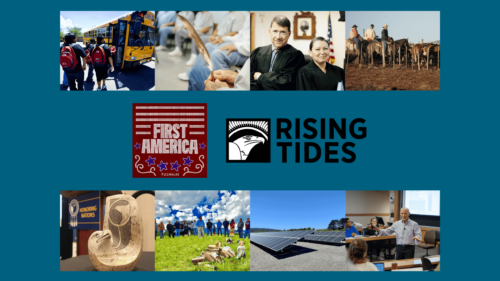
While we are taught that the American Revolution was fought over taxation without representation, the text of the Declaration of Independence points to a different catalyst: the founders’ anger toward Native Americans. In the premiere episode of First America, host Rebecca Nagle sits down with historian Ned Blackhawk to explore how hunger for Indigenous land drove the Revolution. Though this series is new, Nagle’s previous podcast work makes this an essential listen.
Harvard Project on Indigenous Governance and Development
In this episode of the Rising Tides webcast, the Landback team from the Harvard Project on Indigenous Governance and Development discusses their research around Indigenous conservation practices. According to their findings, Indigenous peoples are achieving equal or superior conservation outcomes across the globe, making Indigenous-led stewardship a key strategy to combat biodiversity loss and climate change.
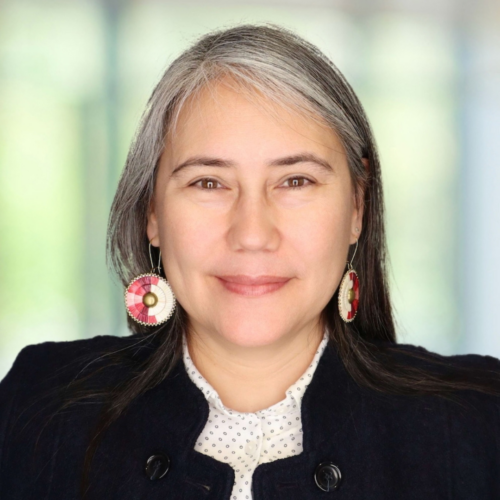
Amy Besaw Medford is the senior program director for the Project on Indigenous Governance and Development at the Harvard Kennedy School. The Project aims to increase opportunities for collaborative research, learning, and teaching that improve the political, social, cultural, and economic conditions of all Indigenous Peoples, nations, and communities.
Jael Whitney Brothers is the assistant director for the Honoring Nations program at the Harvard Project on Indigenous Governance and Development. Prior to joining the Ash Center, Jael helped run the Indigenous Communities Fellowship at MIT Solve.
The views expressed in this article are those of the authors alone and do not necessarily represent the positions of the Ash Center or its affiliates.
American Indian Casino Operations and Firm Long-Run Employment and Sales
A new working paper by Randy Akee, Julie Johnson Kidd Professor of Indigenous Governance and Development, and co-authors examines the role of The Indian Gaming Regulatory Act of 1988 in facilitating sustained private-sector growth for American Indian reservations through tribal casino development.
The Disproportionate Burden: Health and Economic Outcomes of COVID-19 for Native American Communities
A new research article by Randy Akee, Julie Johnson Kidd Professor of Indigenous Governance and Development and Director of the Project on Indigenous Governance and Development, and co-authors examines enduring consequences of the COVID-19 pandemic among American Indian and Alaska Native (AIAN) populations.
The Harvard Project Announces 2025 Honoring Nations Award Winners
The national awards program Honoring Nations, flagship program of the Harvard Project, announces the recipients of the 2025 Honoring Nations Awards, recognizing 6 governmental initiatives for outstanding excellence in tribal self-governance.
American Indian Casino Operations and Firm Long-Run Employment and Sales
A new working paper by Randy Akee, Julie Johnson Kidd Professor of Indigenous Governance and Development, and co-authors examines the role of The Indian Gaming Regulatory Act of 1988 in facilitating sustained private-sector growth for American Indian reservations through tribal casino development.
The Disproportionate Burden: Health and Economic Outcomes of COVID-19 for Native American Communities
A new research article by Randy Akee, Julie Johnson Kidd Professor of Indigenous Governance and Development and Director of the Project on Indigenous Governance and Development, and co-authors examines enduring consequences of the COVID-19 pandemic among American Indian and Alaska Native (AIAN) populations.
The Harvard Project Announces 2025 Honoring Nations Award Winners
The national awards program Honoring Nations, flagship program of the Harvard Project, announces the recipients of the 2025 Honoring Nations Awards, recognizing 6 governmental initiatives for outstanding excellence in tribal self-governance.