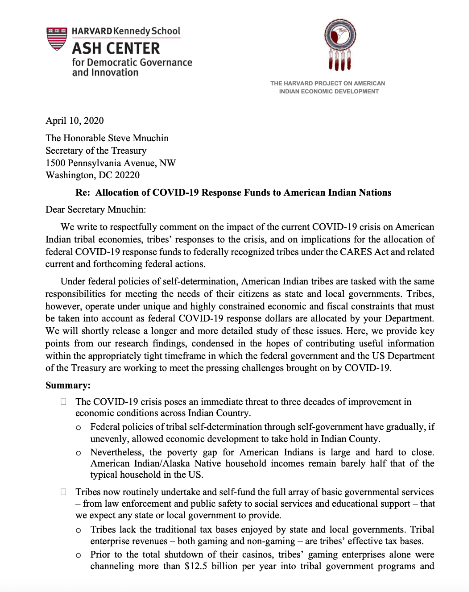
The COVID-19 crisis poses an immediate threat to three decades of improvement in economic conditions across Indian Country. Federal policies of tribal self-determination through self government have gradually, if unevenly, allowed economic development to take hold in Indian County. Nevertheless, the poverty gap for American Indians is large and hard to close. American Indian/Alaska Native household incomes remain barely half that of the typical household in the US. Tribes now routinely undertake and self-fund the full array of basic governmental services – from law enforcement and public safety to social services and educational support – that we expect any state or local government to provide.
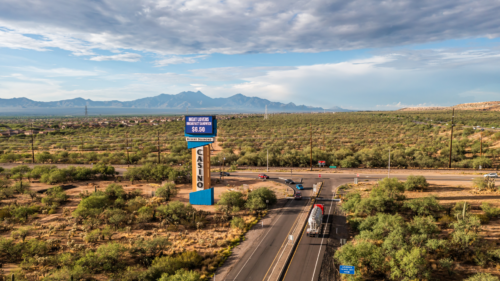
Tribes lack the traditional tax bases enjoyed by state and local governments. Tribal enterprise revenues – both gaming and non-gaming – are tribes’ effective tax bases. Prior to the total shutdown of their casinos, tribes’ gaming enterprises alone were channeling more than $12.5 billion per year into tribal government programs and services . No tribal casinos are operating at this time. The same applies to many non-gaming enterprises and many tribal government programs. The COVID-19 crisis is devastating tribes’ abilities to fund their provision of basic governmental services and forcing tribes to make painful decisions to lay off employees, drop workers’ insurance coverage, deplete assets, and/or take on more debt.
American Indian Casino Operations and Firm Long-Run Employment and Sales
A new working paper by Randy Akee, Julie Johnson Kidd Professor of Indigenous Governance and Development, and co-authors examines the role of The Indian Gaming Regulatory Act of 1988 in facilitating sustained private-sector growth for American Indian reservations through tribal casino development.
The Disproportionate Burden: Health and Economic Outcomes of COVID-19 for Native American Communities
A new research article by Randy Akee, Julie Johnson Kidd Professor of Indigenous Governance and Development and Director of the Project on Indigenous Governance and Development, and co-authors examines enduring consequences of the COVID-19 pandemic among American Indian and Alaska Native (AIAN) populations.
American Indian Casino Operations and Firm Long-Run Employment and Sales
A new working paper by Randy Akee, Julie Johnson Kidd Professor of Indigenous Governance and Development, and co-authors examines the role of The Indian Gaming Regulatory Act of 1988 in facilitating sustained private-sector growth for American Indian reservations through tribal casino development.
The Disproportionate Burden: Health and Economic Outcomes of COVID-19 for Native American Communities
A new research article by Randy Akee, Julie Johnson Kidd Professor of Indigenous Governance and Development and Director of the Project on Indigenous Governance and Development, and co-authors examines enduring consequences of the COVID-19 pandemic among American Indian and Alaska Native (AIAN) populations.