

Policy Brief  

Self-Government, Taxation, and Tribal Development: The Critical Role of American Indian Nation Business Enterprises

This policy brief analyzes the likely effects of newly Proposed Rules by the U.S. Treasury and the Internal Revenue Service. These Rules would (1) expand the governmental authority of federally recognized American Indian nations to design programs for the general welfare of their citizens, and (2) clarify the federal tax status of tribal government-owned enterprises. The study finds that adoption of the Proposed Rules would greatly strengthen the capacities of tribal governments, to the benefit of tribes and the United States as a whole.

Figure 1: Growth in Real (inflation-adjusted) Per Capita Income: Indian Country v. the U.S. as a Whole (1989=100)
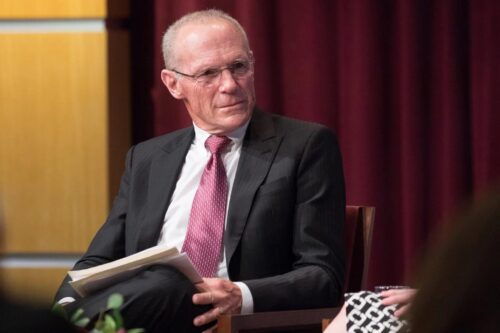
Adoption of the Proposed Rule will immediately foster improved access to credit and directly enhance resources needed for economic development, service provision, and infrastructure investment across America’s Native nations. The tribal and non-tribal citizens of the United States will benefit. Photo of Joseph Kalt sitting with a notebook.

Joseph Kalt

Ford Foundation Professor of International Political Economy, Emeritus

Joseph Kalt is the Ford Foundation Professor of International Political Economy, Emeritus. 

The views expressed in this article are those of the author alone and do not necessarily represent the positions of the Ash Center or its affiliates.  

Related Resources

The Disproportionate Burden: Health and Economic Outcomes of COVID-19 for Native American Communities
A woman wearing a face mask during COVID-19.

Article

The Disproportionate Burden: Health and Economic Outcomes of COVID-19 for Native American Communities

A new research article by Randy Akee, Julie Johnson Kidd Professor of Indigenous Governance and Development and Director of the Project on Indigenous Governance and Development, and co-authors examines enduring consequences of the COVID-19 pandemic among American Indian and Alaska Native (AIAN) populations.

The Harvard Project Announces 2025 Honoring Nations Award Winners
An image of the awards presentation.

Media Release

The Harvard Project Announces 2025 Honoring Nations Award Winners

The national awards program Honoring Nations, flagship program of the Harvard Project, announces the recipients of the 2025 Honoring Nations Awards, recognizing 6 governmental initiatives for outstanding excellence in tribal self-governance.

More on this Issue

The Disproportionate Burden: Health and Economic Outcomes of COVID-19 for Native American Communities
A woman wearing a face mask during COVID-19.

Article

The Disproportionate Burden: Health and Economic Outcomes of COVID-19 for Native American Communities

A new research article by Randy Akee, Julie Johnson Kidd Professor of Indigenous Governance and Development and Director of the Project on Indigenous Governance and Development, and co-authors examines enduring consequences of the COVID-19 pandemic among American Indian and Alaska Native (AIAN) populations.

The Harvard Project Announces 2025 Honoring Nations Award Winners
An image of the awards presentation.

Media Release

The Harvard Project Announces 2025 Honoring Nations Award Winners

The national awards program Honoring Nations, flagship program of the Harvard Project, announces the recipients of the 2025 Honoring Nations Awards, recognizing 6 governmental initiatives for outstanding excellence in tribal self-governance.