Media Release  

Ash Center for Democratic Governance and Innovation Announces Sports, Democracy, and Civic Health Program

The new program brings together scholars, sports leaders, and civic organizations to explore how sports can strengthen American democracy.

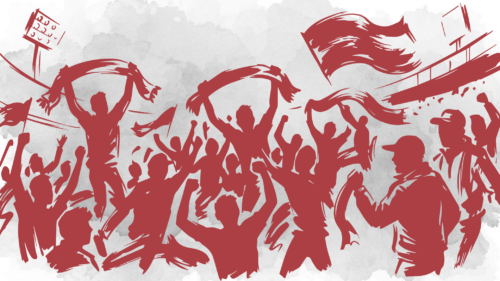
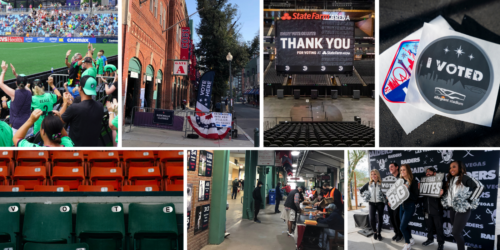
Ash sports collage match up.

CAMBRIDGE, Mass. — The Reimagining Democracy Program at Harvard Kennedy School’s Ash Center for Democratic Governance and Innovation today announced a program examining how professional sports and fandom can strengthen civic health and democratic life in the United States.

Led by Archon Fung, Ash Center Director and Winthrop Laflin McCormack Professor of Citizenship and Self-Government, and Tova Wang, Director of Research Projects in Democratic Practice, the Sports, Democracy, and Civic Health program brings together scholars, election officials, democracy advocates, professional sports organizations, leagues, athletes, and civic organizations. It will explore how the shared identity and sense of belonging fostered by sports can build trust, reduce polarization, encourage civic participation, and strengthen connections across differences.

“For millions of Americans, sports are one of the few places where people from different backgrounds come together around a shared identity and purpose,” said Wang. “That sense of belonging represents an important, and still under explored, resource for strengthening American democracy.” 

The program builds on more than five years of work by the Reimagining Democracy Program, including research on how sports teams can use their facilities and fan networks to increase voter engagement.

Alongside the Ash Center, participants engaged in this work include: 

  • Lara Brown, Senior Policy Advisor to the Center on Civility and Democracy at the Ronald Reagan Presidential Foundation and Institute, Political Scientist
  • Amina Bulman, Chief Revenue Officer, Boston Legacy FC
  • Michael Butterworth, Governor Ann W. Richards Chair for the Texas Program in Sports and Media, Professor in the Department of Communication Studies, and Director of the Center for Sports Communication & Media at The University of Texas at Austin
  • Griffin Colaizzi, Research Fellow, More in Common
  • Michael Crawford, Vice President, Spitfire Strategies
  • Elizabeth B. Delia, Associate Professor of Sports Management, UMass Amherst
  • David Friedman, Executive Vice President, Legal & Government Affairs and Chief Compliance Officer, Boston Red Sox
  • Michael Hanmer, Professor of Government and Politics, Director of the Center for Democracy and Civic Engagement, University of Maryland
  • Lilah Haye, Government & Community Relations Specialist, Las Vegas Raiders
  • Ashleigh Huffman, Senior Director, Sports and Society, Aspen Institute, former Chief of Sports Diplomacy, U.S. Department of State
  • Joe Kennedy, Co-Founder of The Team and Director of Athletics and Sports Leadership, Obama Presidential Center
  • Jason Mangone, Executive Director, More in Common
  • Andrew Maraniss, Sports Historian, Athletics Special Projects Director, Vanderbilt University
  • Jane McManus, former Reporter for ESPN, NYU Tisch School of Global Sports
  • David Nickerson, Professor of Political Science, Temple University
  • Jay Osterman, Founder & Executive Director, redclover impact
  • Piper Overstreet-White, SVP, Government and Community Relations, Las Vegas Raiders
  • Farah Pandith, Muhammad Ali Global Peace Laureate, Muhammad Ali Center
  • Scott Pioli, former NFL Executive, New England Patriots, Atlanta Falcons, Kansas City Chiefs, Atlanta Falcons; Consultant and Speaker
  • Todd Rogers, Weatherhead Professor of Public Policy, Harvard Kennedy School
  • David Sikorjak, Founder, Dexterity Consulting
  • Donte Stallworth, former NFL Player
  • Kevin Sullivan, Kevin Sullivan Communications, Inc. and Senior Adviser, George W. Bush Presidential Center
  • Ben Valenta, VP Marketing, Fox Sports

“This project connects rigorous research with the practical experience of leaders across sports and civic sectors,” said Fung. “By learning what teams, leagues, and sports organizations are doing for their fans and in their communities, we can investigate how the power of connection in sports can be used to support a healthier and more inclusive participatory democracy.” 

The Sports, Democracy, and Civic Health program will pursue three principal goals:

  • Reframe sports as not only an entertainment business, but also a belonging business that contributes to civic, democratic, and social health.
  • Synthesize and share research and narrative storytelling on how sports fandom can foster trust, compassion, social connection, and civic participation.
  • Offer practical strategies and frameworks for teams, leagues, athletes, civic organizations, and scholars to leverage the connective power of sports to strengthen democracy.

The program will announce additional research and public programming in the months ahead.


Courtney Carter DeJesus is the Associate Director of Communications at the Ash Center for Democratic Governance and Innovation. 

Related Resources

Terms of Engagement: Should Voting Be Mandatory in the U.S.?
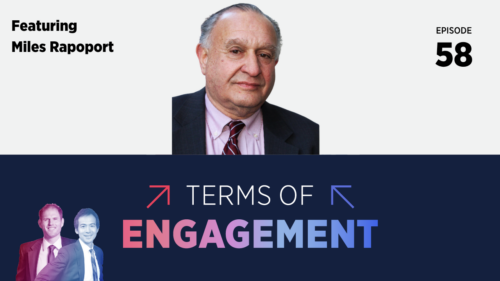
Picture of Miles Rapoport in Terms of Engagement header.

Podcast

Terms of Engagement: Should Voting Be Mandatory in the U.S.?

On this week’s episode of “Terms of Engagement,” Miles Rapoport, former Senior Practice Fellow in American Democracy at the Ash Center, joins cohosts Archon Fung and Stephen Richer to discuss universal voting in the United States.
Is High Voter Turnout a Good Thing?
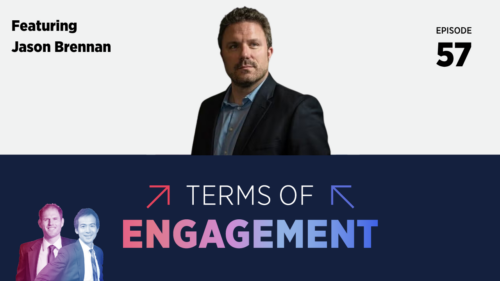
Image of Professor Jason Brennon. Episode 57 of Terms of Engagement Podcast.

Podcast

Is High Voter Turnout a Good Thing?

High voter turnout is often celebrated as a sign of a healthy democracy, with election officials viewing strong participation as evidence of public engagement and political legitimacy. On Terms of Engagement, Professor Jason Brennan joins cohosts Archon Fung and Stephen Richer to examine whether higher turnout actually strengthens democracy.

We Surveyed 50,674 Americans. This Is What Brings Them Together.
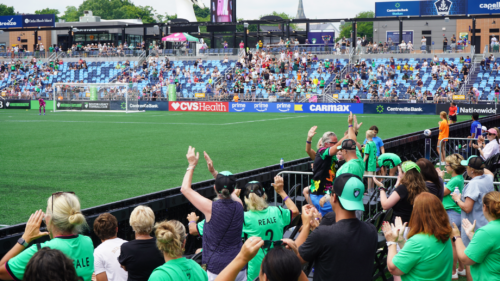
Fans at a Boston Legacy game.

Commentary

We Surveyed 50,674 Americans. This Is What Brings Them Together.

In this opinion piece, Audrey Feldman, Todd Rogers and Ben Valenta — participants in the Sports, Democracy and Civic Health project — describe their findings showing that shared fandom can soften partisan animosity and make political opponents more willing to connect.

More on this Issue

We Surveyed 50,674 Americans. This Is What Brings Them Together.
Fans at a Boston Legacy game.

Commentary

We Surveyed 50,674 Americans. This Is What Brings Them Together.

In this opinion piece, Audrey Feldman, Todd Rogers and Ben Valenta — participants in the Sports, Democracy and Civic Health project — describe their findings showing that shared fandom can soften partisan animosity and make political opponents more willing to connect.

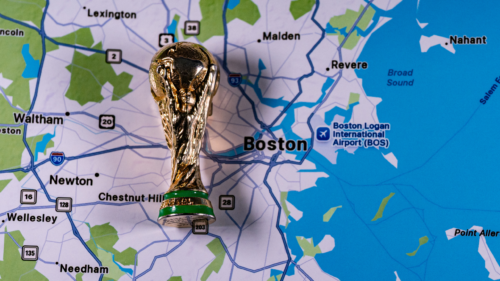
What Boston’s World Cup Summer Showed Us About Sports and Civic Life

Commentary

What Boston’s World Cup Summer Showed Us About Sports and Civic Life

Thanks to the World Cup, Boston had an unforgettable summer. In this commentary, the Ash Center’s Tova Wang and former New England Patriots executive Scott Pioli break down how the city can harness that energy to build stronger communities and transform local sports culture year-round.