Erica Chenoweth
Frank Stanton Professor of the First Amendment


The Ash Center examines how civil resistance harnesses nonviolent collective action to challenge injustice, drive democratic change, and inform research on strengthening institutions and promoting accountability.
Civil resistance refers to the use of nonviolent methods—such as protests, strikes, boycotts, and organized noncooperation—to challenge injustice, defend rights, and advance democratic change. Grounded in collective action and strategic organization, civil resistance movements have shaped political and social transformations across the globe.
Our scholars research on civil resistance explore how civic mobilization strengthens institutions, promotes accountability, and contributes to more inclusive and resilient democracies.
Frank Stanton Professor of the First Amendment
Lecturer in Public Policy

Assistant Professor of Public Policy

Lead Research Fellow for the Nonviolent Action Lab, AY2025-2027
Research Project Manager, Nonviolent Action Lab
Research Associate, Crowd Counting Consortium

Podcast
In Episode 7 of the Nonviolent Action Lab podcast, host Jay Ulfelder sits down with Professor Paul Passavant to discuss Passavant’s 2021 book, Policing Protest: The Post-Democratic State and the Figure of Black Insurrection.
Commentary
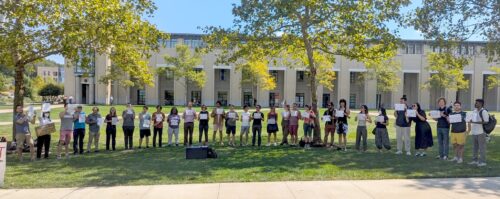
Crowd Counting Consortium data show a resurgence of pro-Palestinian activism at U.S. colleges and universities as students have returned to school and started probing the limits of new restrictions on campus protests.
Commentary
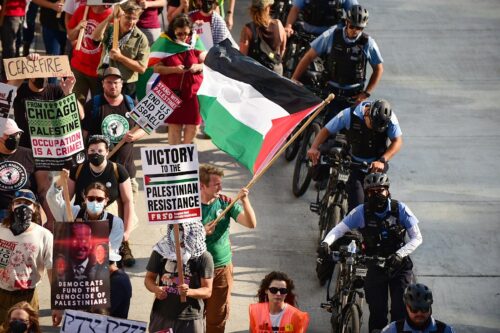
As part of its regular work tracking political protest activity across the United States, the Crowd Counting Consortium (CCC) closely followed events around this year’s Democratic National Convention in Chicago.
Podcast
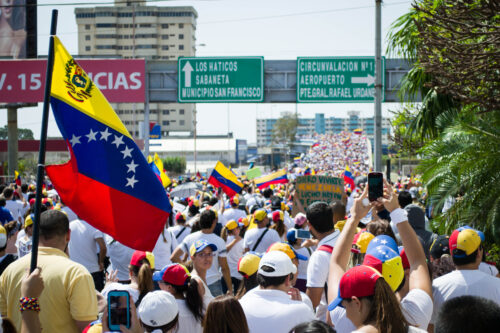
In this episode, host Jay Ulfelder sits down with Nonviolent Action Lab Research Fellow Freddy Guevara to discuss the outcome of Venezuela’s elections and what that means for the state of democracy in the country.
Commentary
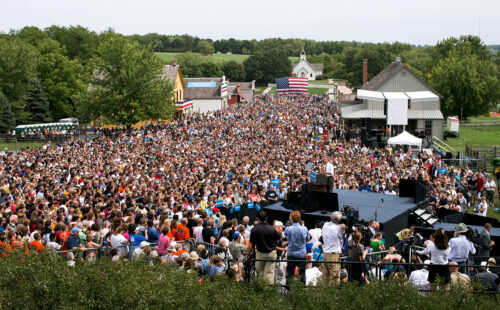
This post uses the Crowd Counting Consortium’s data on U.S. protest activity since 2017 to estimate and compare the average size of the crowds at political rallies featuring Donald Trump, Joe Biden, and, since late July 2024, Kamala Harris.
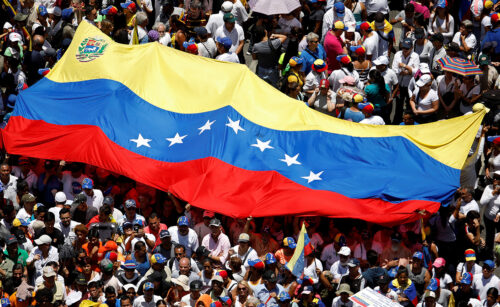
Q+A
HKS research fellow Freddy Guevara MC/MPA 2024 remains optimistic about a democratic transition and that the July election was the beginning of the end for the Maduro regime.
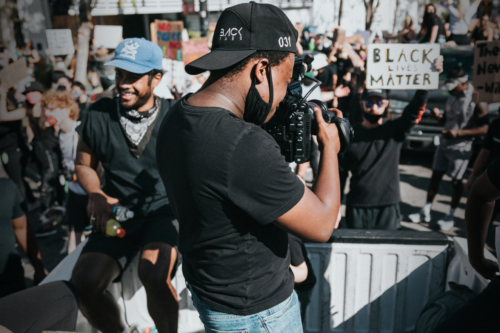
Podcast
Host Jay Ulfelder sits down with journalists Talia Jane, Raven, and Sean Beckner-Carmitchel to discuss the impact of independent journalism on protest activity and social movements.
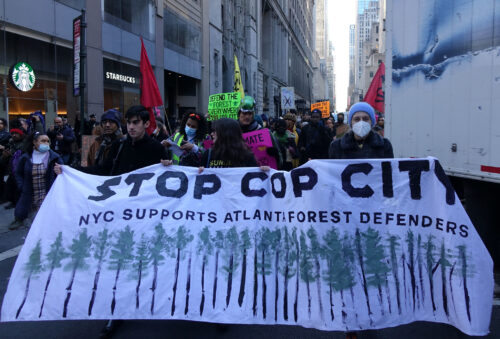
Podcast
Host Jay Ulfelder sits down with Joseph Brown, Associate Professor in the Department of Political Science at the University of Massachusetts Boston, to discuss a mass mobilization in Atlanta to stop a new a police training center amid environmental and community rights concerns.
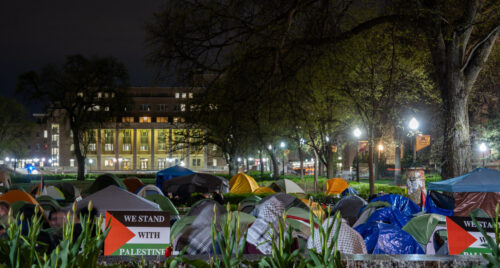
Commentary
Crowd Counting Consortium data show more than 3,700 days with pro-Palestinian protest activity at over 500 U.S. schools since October 7, 2023, including encampments at more than 130 of them.
Podcast
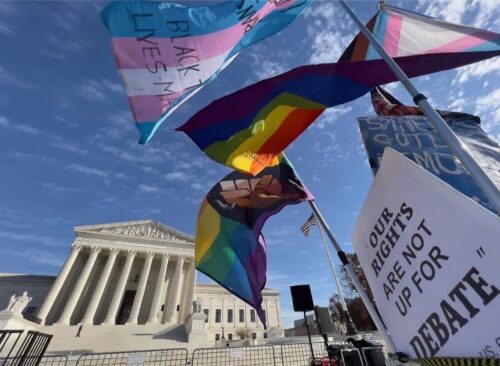
In episode three of the Nonviolent Action Lab podcast, host Jay Ulfelder talks with two people at the heart of DC-area protests against the Supreme Court decision to overturn Roe v. Wade.
Podcast
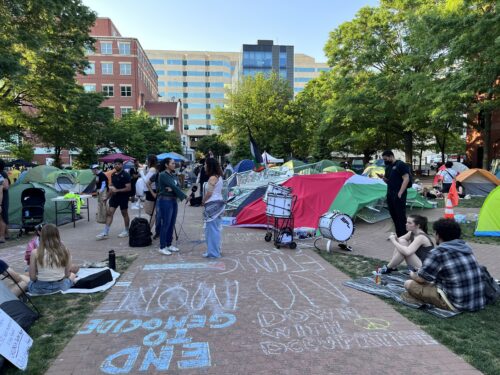
In a two part episode of AshCast, Archon Fung and Khalil Gibran Muhammad discuss campus protests, civil disobedience, and the role speech and democracy as universities across the country grapple with how to respond to this latest wave of protest activity.

Commentary
New Crowd Counting Consortium analysis from Nonviolent Action Lab Program Director Jay Ulfelder sets the record straight on arrests numbers and claims of violence stemming from protests sparked by the war in Gaza.
Podcast
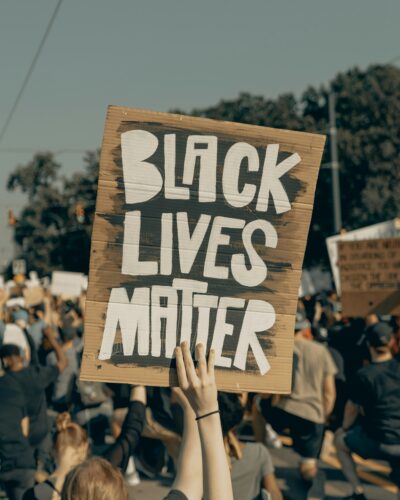
In the second episode of the Nonviolent Action Lab Podcast, Désirée Weber describes what 1,300 days of protest and political pressure looked like in Wooster, Ohio in 2020
Podcast
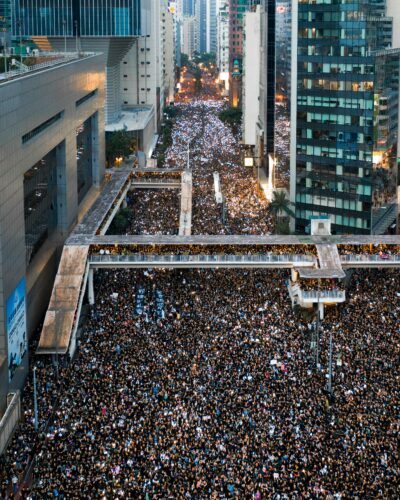
Host Jay Ulfelder sits down with Professor Erica Chenoweth for the first episode in the new podcast series.
Commentary
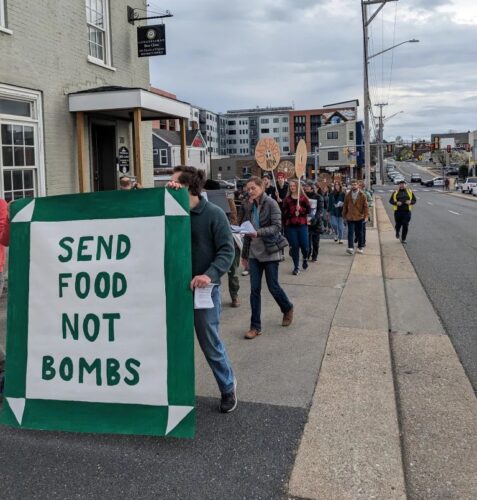
The imminent famine in Gaza shows up in Crowd Counting Consortium (CCC) data as a sharp increase in references to hunger and starvation in protesters’ chants and signs.