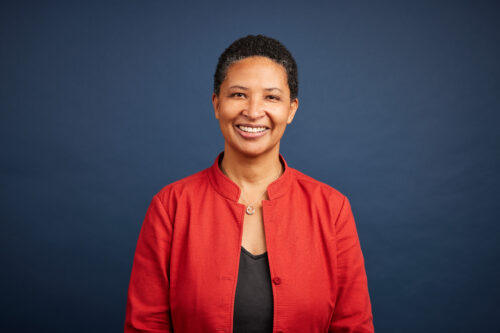
Danielle Allen
Professor of Public Policy, James Bryant Conant University Professor
At the Ash Center, we’re working to generate new ideas to reform our democratic institutions for the 21st century.
Allen Lab for Democracy Renovation, Reimagining Democracy Program
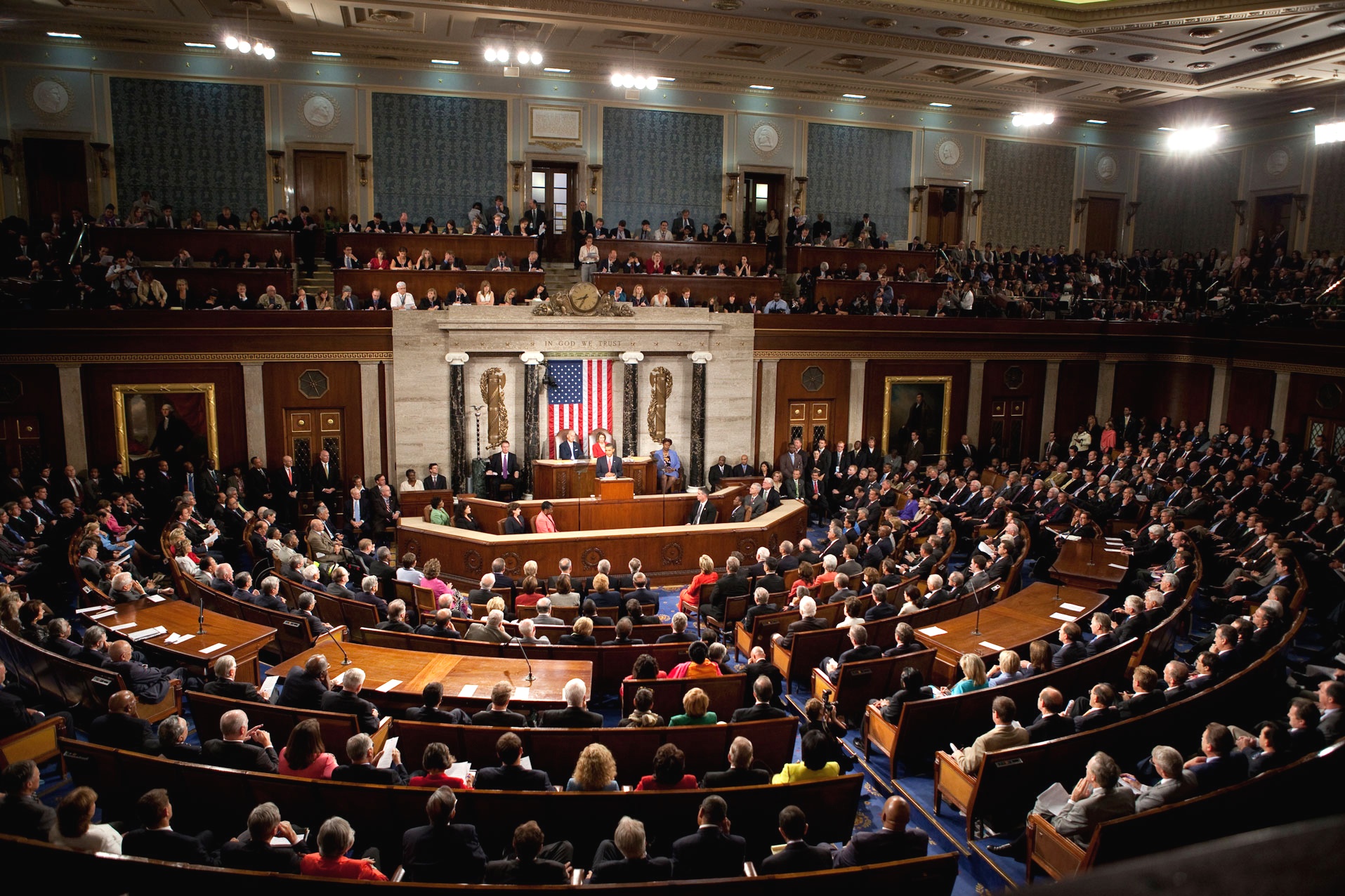
Many of our most basic democratic institutions, from the Electoral College to Congress itself, were born in the eighteenth century when American democracy and America looked markedly different than today. At the Ash Center, we’re working to modernize and reform these institutions for a healthy 21st-century democracy.
As political polarization continues to test the strength of even our most bedrock political institutions, the Ash Center brings together scholars, practitioners, and policymakers from across the country to discuss how to protect and modernize our democracy.
Through working groups and convenings, case studies, and research projects, the Ash Center is working to identify reforms both large and small that will help strengthen the future of American democracy for generations to come.
Professor of Public Policy, James Bryant Conant University Professor

Associate Professor of Public Policy
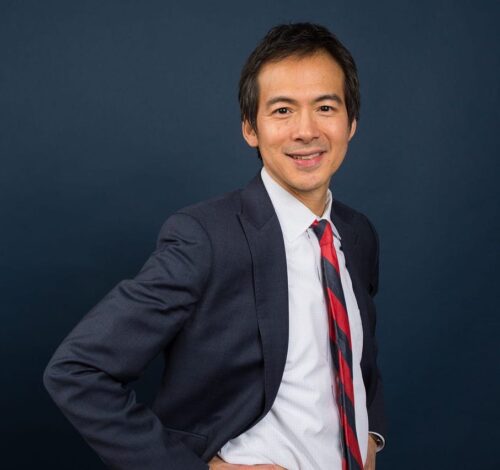
Director, Ash Center for Democratic Governance and Innovation;
Winthrop Laflin McCormack Professor of Citizenship and Self-Government
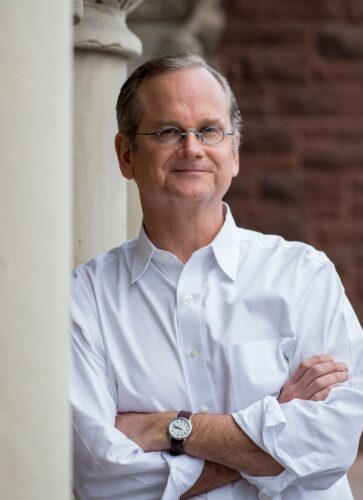
Roy L. Furman Professor of Law and Leadership

Senior Practice Fellow in American Democracy, February 2025 - November 2025
Non-resident Senior Practice Fellow in American Democracy, December 2025 - November 2026

Adams Professor of Political Leadership and Democratic Values Emerita
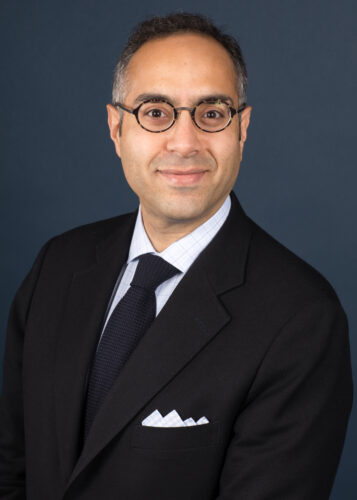
Ford Foundation Professor of Democracy and Governance

Assistant Professor of Public Policy

Paul F. McGuire Lecturer in Comparative Politics
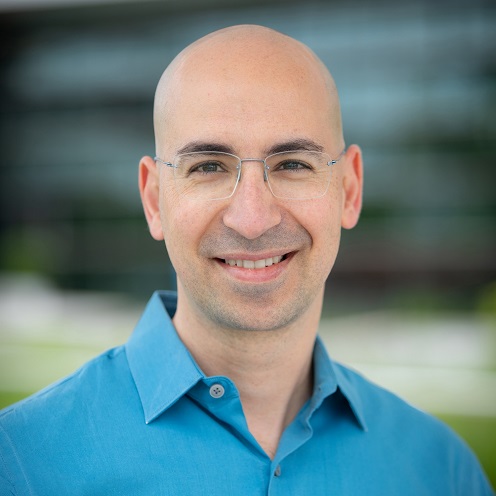
Alfred and Rebecca Lin Professor of Computer Science

Associate Professor of Public Policy
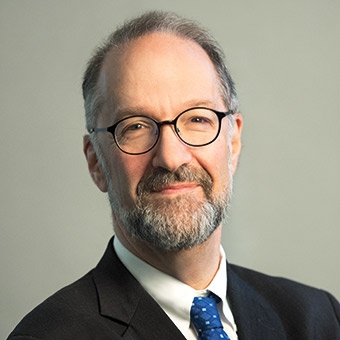
Visiting Professor of Public Policy at the Harvard Kennedy School
Eaton Professor of the Science of Government
In-Person Event
Ash Center Seminar Room 225, Suite 200, 124 Mount Auburn Street
12:00 pm – 1:00 pm EST
Video
In this discussion, the speakers explored what election breakdown could look like: A President refusing to concede, a state legislature disregarding the popular vote, a tie-breaker by a Supreme Court some view as illegitimate, Congress deciding the election according to “contingent election” provisions, or something else altogether?
Video
The Ash Center for Democratic Governance and Innovation hosted a conversation to discuss the priorities of LGBTQ voters and how they are being mobilized to get out and vote in November 2020.
Video
The Ash Center for Democratic Governance and Innovation brought together a bipartisan group of secretaries from the key swing states of Michigan, Ohio, and Pennsylvania.
Feature
Ash Center Fellow Miles Rapoport helps ignite a public debate on implementing universal voting in the United States
Feature
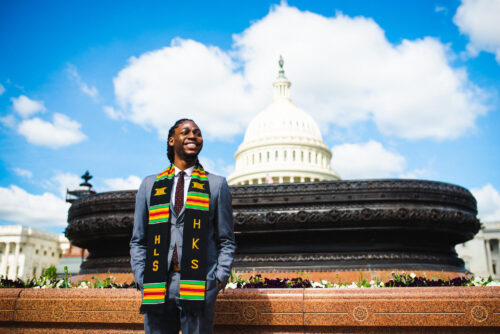
Mauzy Award-Winner Demarquin Johnson sees democratic action as the path to overcoming injustice and protecting voting rights
Video
Harvard Kennedy School’s Ash Center and the Harvard Project on American Indian Economic Development hosted a diverse panel of Congressional and tribal leaders to look ahead and discuss how Congress might come together on a bipartisan basis to enhance support for Indian Country’s pandemic recovery efforts.
Video
The Ash Center hosted a discussion with three leading U.S. election practitioners – one litigator, one election official, and one national grassroots organizing leader – as we asked each of them a series of questions about their greatest fears around the voting process, their work to achieve a fully inclusive and well-administered election, and their ideas for the future of U.S. democracy.
Video
The Electoral College is the system by which Americans elect their president every four years. When American voters go to the polls for a presidential election, they are actually voting for a slate of electors who have pledged to support a specific candidate. These electors cast their own votes, and the winner is elected to the presidency. Two hundred years ago, the Framers incorporated the Electoral College into the United States Constitution, and to this day it remains one of the most controversial aspects of that document. But despite numerous attempts to reform or even abolish it, the Electoral College remains the mechanism by which Americans choose their president every four years. So why is it still around? Alex Keyssar, Matthew W. Stirling, Jr. Professor of History and Social Policy at Harvard Kennedy School, explores this subject in his latest book, “Why Do We Still Have The Electoral College?”
The answer is not as straight forward as one might think, and in this video Professor Keyssar discusses the myriad reasons that we still follow with what he calls, “a process that does not conform to democratic principles the nation has publicly championed.”
Behind the Book is a collaboration between the Office of Communications and Public Affairs and Library and Knowledge Services at Harvard Kennedy School.
Policy Brief
Media Release
Video
The Ash Center hosted a conversation with leading practitioners in philanthropy who talked about all of these issues and the urgency that the times demand.
Video
Policy Brief
Book
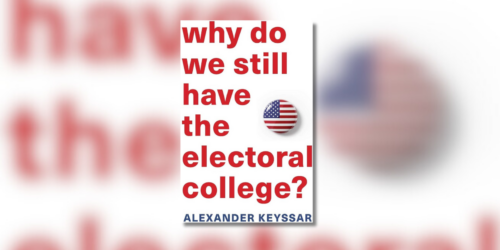
In Why Do We Still Have the Electoral College?, Alexander Keyssar explores the institution’s origins and persistent survival despite widespread public opposition, showing how partisan interests and constitutional barriers have repeatedly derailed reform.
Video
The Ash Center for Democratic Governance and Innovation hosted a virtual book talk with Shabbir Cheema, Senior Fellow, Ash Center – and the principal author and editor of “Governance for Urban Services: Access, Participation, Accountability and Transparency” (Springer 2020). The Bloomberg Harvard City Leadership Initiative Faculty Director, Jorrit de Jong, moderated.