Transparency Policy Project

The Transparency Policy Project studied how public disclosure systems can be designed to support important policy goals in society through public engagement. Research shows that well-designed transparency systems can reduce health and safety risks, strengthen governance, encourage public participation, and discourage corruption by motivating organizations—such as banks, hospitals, companies, and governments—to increase their performance and accountability. However, transparency efforts often fail when information is confusing, incomplete, or poorly presented, as seen with issues like unclear nutrition labels or outdated water safety data. These failures can waste resources and even increase risks.

The project also explored a new generation of “participatory transparency” in which the internet enables citizens to share experiences about issues like product defects, medical errors, unsafe workplaces, and ineffective public services, creating collective knowledge that can help improve safety and services for everyone.

The program published the book, “Full Disclosure”, co-authored by the three co-directors of the Transparency Policy Project.


Filter by

  • Format

Filters

Close

Filters

Format

Transparency Policies: Two Possible Futures
Team discussing responsibility

Policy Brief

Transparency Policies: Two Possible Futures

A color-coded terror alert system nobody understood. A calorie-labeling bill Congress kept burying. Archon Fung, Mary Graham, David Weil, and Elena Fagotto lay out exactly why some disclosure laws save lives and others just generate paperwork — and which future is winning.

The Political Economy of Transparency : What makes disclosure policies effective?
A team discussing documents

Paper

The Political Economy of Transparency : What makes disclosure policies effective?

Restaurant letter grades changed how Los Angeles ate almost overnight. So why did mandatory hospital error reporting go nowhere, even as the death toll climbed past 44,000 a year? Archon Fung, David Weil, Mary Graham, and Elena Fagotto dig into what separates a transparency policy that reshapes an industry from one that just sits on a shelf.

The Political Economy of Transparency: What Makes Disclosure Policies Sustainable?
Person looking closely at a document

Paper

The Political Economy of Transparency: What Makes Disclosure Policies Sustainable?

Enron’s collapse rewrote financial disclosure rules. SUV rollovers rewrote auto safety labels. But not every transparency law ages well — some quietly degrade into empty paperwork exercises. Archon Fung, Mary Graham, and David Weil trace what separates a disclosure system built to last from one built to fail.

Information as Risk Regulation: Lessons from Experience
Person analyzing risk at a scale from low to high

Paper

Information as Risk Regulation: Lessons from Experience

Medical mistakes, tainted tap water, junk food, toxic factories — four of the government’s most ambitious disclosure programs tackled four completely different problems. Mary Graham found they broke down in strikingly similar ways, and the lessons could shape every transparency law that comes after them.

Disclosure of Toxic Releases in the United States
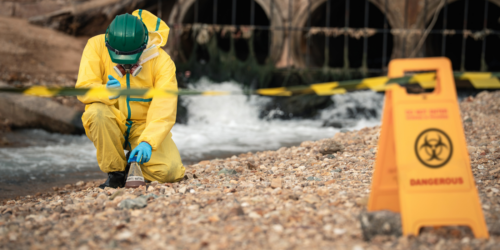
Environmental Worker Inspecting Industrial Hazard Zone During Wastewater Pollution Monitoring

Article

Disclosure of Toxic Releases in the United States

A last-minute rider that even the EPA and environmental groups shrugged off turned into one of the most quietly powerful pollution laws in US history. Mary Graham and Catherine Miller revisit the Toxics Release Inventory’s famous 46 percent decline — and find the real story is a lot messier than the headline number suggests.

Improving Communication About New Food Technologies
Buyer uncertain of which products to choose

Article

Improving Communication About New Food Technologies

Cholesterol-fighting margarine, genetically engineered vegetables, soup laced with St. John’s wort — new “disease-fighting” foods were hitting shelves faster than shoppers (or regulators) could keep up. David Greenberg and Mary Graham argue the real risk isn’t the science, it’s the silence around it.

Regulation by Shaming
Corportate employee being shamed

Article

Regulation by Shaming

Lead in faucets, carcinogens in Liquid Paper, dolphins in tuna nets: none of it changed until the companies faced public exposure instead of a lawsuit. Mary Graham calls it “regulation by shaming” — but she also finds it can backfire, distorting what the public thinks is actually dangerous.