The COVID‐19 pandemic has wrought havoc in Indian Country. While the American people as a whole have borne extreme pain and suffering, and the transition back to “normal” will be drawn out and difficult, the First Peoples of America arguably have suffered the most severe and most negative consequences of all. The highest rates of positive COVID‐19 cases have been found among American Indian tribes, but that is only part of the story.
Even before the pandemic, the average household income for Native Americans living on Indian reservations was barely half the U.S. average. Then the pandemic effectively shut down the economies of many tribal nations. In the process, tribal governments’ primary sources of the funding – which are needed to fight the pandemic and to meet citizens’ needs – have been decimated.
As with the rest of the U.S., emergency and interim support from the CARES Act and other federal measures have helped to dampen the social and economic harm of the COVID‐19 crisis in Indian Country. Yet this assistance has come to the country’s 574 federally recognized Indian tribes with litigation‐driven delay and counterproductive strings attached, and against a pre‐ pandemic background characterized by federal government underfunding and neglect – especially as compared to the funding provided and attention paid to state and local governments.
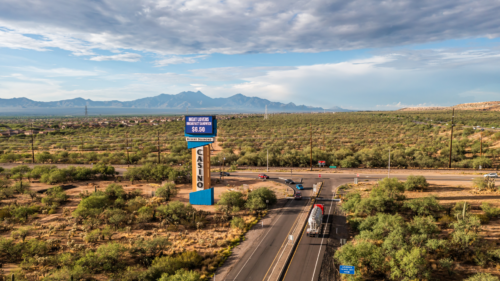
American Indian Casino Operations and Firm Long-Run Employment and Sales
A new working paper by Randy Akee, Julie Johnson Kidd Professor of Indigenous Governance and Development, and co-authors examines the role of The Indian Gaming Regulatory Act of 1988 in facilitating sustained private-sector growth for American Indian reservations through tribal casino development.
The Disproportionate Burden: Health and Economic Outcomes of COVID-19 for Native American Communities
A new research article by Randy Akee, Julie Johnson Kidd Professor of Indigenous Governance and Development and Director of the Project on Indigenous Governance and Development, and co-authors examines enduring consequences of the COVID-19 pandemic among American Indian and Alaska Native (AIAN) populations.
American Indian Casino Operations and Firm Long-Run Employment and Sales
A new working paper by Randy Akee, Julie Johnson Kidd Professor of Indigenous Governance and Development, and co-authors examines the role of The Indian Gaming Regulatory Act of 1988 in facilitating sustained private-sector growth for American Indian reservations through tribal casino development.
The Disproportionate Burden: Health and Economic Outcomes of COVID-19 for Native American Communities
A new research article by Randy Akee, Julie Johnson Kidd Professor of Indigenous Governance and Development and Director of the Project on Indigenous Governance and Development, and co-authors examines enduring consequences of the COVID-19 pandemic among American Indian and Alaska Native (AIAN) populations.