Podcast
Terms of Engagement – Should Noncitizens Be Allowed to Vote in the U.S.?
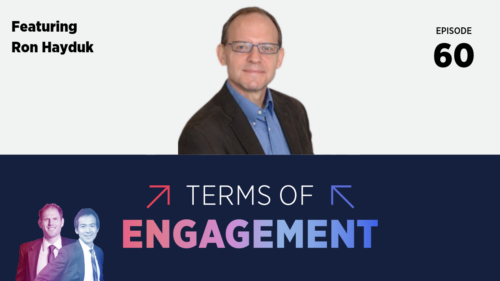
On this week of Terms of Engagement, Professor Ron Hayduk joins co-hosts Archon Fung and Stephen Richer to discuss whether noncitizens should be allowed to vote.

Video
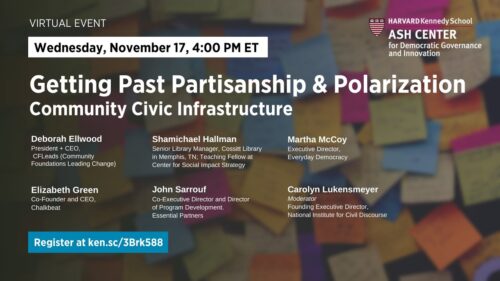
In this panel discussion, community organizers, leaders, and democracy advocates explored examples from communities all over the country where this is working today. Then, they discussed the challenge of replicating and expanding community civic infrastructure initiatives across the country.
Podcast
On this week of Terms of Engagement, Professor Ron Hayduk joins co-hosts Archon Fung and Stephen Richer to discuss whether noncitizens should be allowed to vote.

Video
A recent event explored how sports have shaped movements for racial justice, gender equality, religious freedom, LGBTQ+ rights, disability rights and broader inclusion in the United States.
Podcast
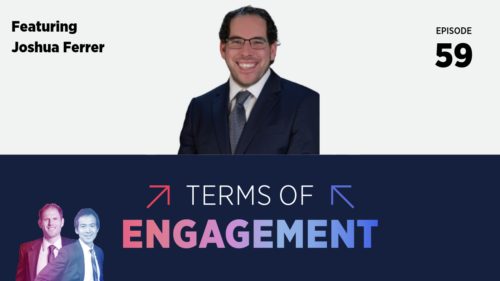
On this week’s episode of “Terms of Engagement,” Assistant Professor Joshua Ferrer joins co-hosts Archon Fung and Stephen Richer to discuss his research and explore whether election officials should be elected or appointed.

Additional Resource
On campus last week, Allen Lab Fellow Joshua Darr shared his recent report, From Questions to Evidence, with Allen Lab members and Harvard’s Nieman Lab (A new report argues newsrooms need to do more experiments — like, the kind with randomization and results). Darr is the director of the Local NExT Lab at Syracuse University.
Policy Brief
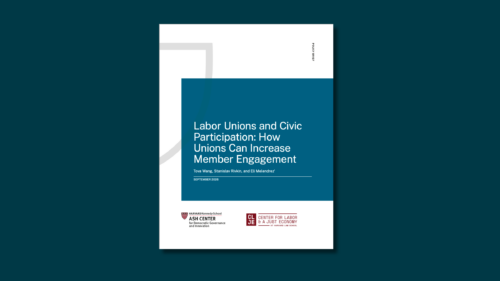
A new policy brief explores how unions help members become more engaged in civic and political life.

Media Release