The Necessary and Valuable Partnership: Law Enforcement and Election Officials
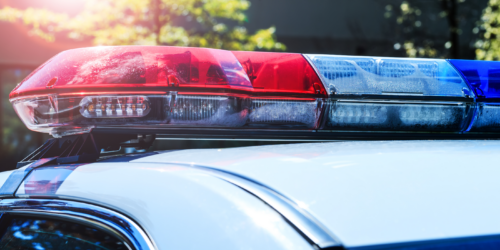
This report by Christine Cole, Kim Wyman, and Tina Barton examines the complicated historical relationship between voting and law enforcement in the United States, highlighting how policing experiences can influence public attitudes towards the presence of law enforcement at voting locations.
This report examines the complicated historical relationship between voting and law enforcement in the United States, highlighting how policing experiences can influence public attitudes towards the presence of law enforcement at voting locations.
The authors discuss the growing need to ensure the safety and security of election officials, poll workers, and voters, examining the new initiatives and partnerships that emerged during the 2020, 2022, and 2024 elections to address safety concerns.
The paper offers key recommendations and resources for both law enforcement and election officials to improve election safety and strengthen partnerships among the diverse stakeholders involved in the electoral process.
Members of the Ash Center’s Executive Session on Elections and Election Administration present a comprehensive strategy to recruit, support, and retain election administrators by reducing barriers to entry, strengthening professional networks, improving workplace support, and utilizing workforce data address burnout and prevent attrition.
How Americans Navigate Voting Information Ahead of the 2026 Midterm Elections
The Shorenstein Center’s 2026 Voting Information Trends project—developed in collaboration with the National Internet Observatory at Northeastern University, the Ash Center for Democratic Governance and Innovation’s Program on Democracy and the Informed Public, and The Civic Health and Institutions Project—provides new insights into the voter information landscape in the United States ahead of the 2026 midterm elections.
Among the resources, an interactive dashboard maps where Americans are finding voting information and learning about key aspects of the voting process—from sourcing polling locations to voter registration. Also included are a series of trends reports gauging perceptions of voting in the lead up to the 2026 midterm elections.
In Appearance Before Congress, Stephen Richer Testifies on Alleged Noncitizen Voting in New Jersey
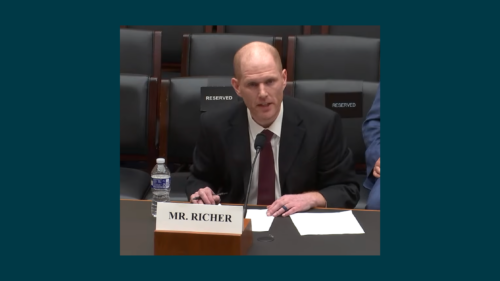
On Tuesday, September 15, 2026, former Maricopa County Recorder Stephen Richer, now an Ash Senior Fellow and election administration expert, testified before the House Judiciary Subcommittee on Oversight. The hearing examined allegations that approximately 6,600 noncitizens were improperly registered to vote in New Jersey between June 2023 and June 2024.