
Erica Chenoweth
Frank Stanton Professor of the First Amendment


The Ash Center examines how civil resistance harnesses nonviolent collective action to challenge injustice, drive democratic change, and inform research on strengthening institutions and promoting accountability.
Civil resistance refers to the use of nonviolent methods—such as protests, strikes, boycotts, and organized noncooperation—to challenge injustice, defend rights, and advance democratic change. Grounded in collective action and strategic organization, civil resistance movements have shaped political and social transformations across the globe.
Our scholars research on civil resistance explore how civic mobilization strengthens institutions, promotes accountability, and contributes to more inclusive and resilient democracies.
Frank Stanton Professor of the First Amendment

Lecturer in Public Policy

Assistant Professor of Public Policy

Lead Research Fellow for the Nonviolent Action Lab, AY2025-2027

Research Project Manager, Nonviolent Action Lab
Research Associate, Crowd Counting Consortium
Commentary
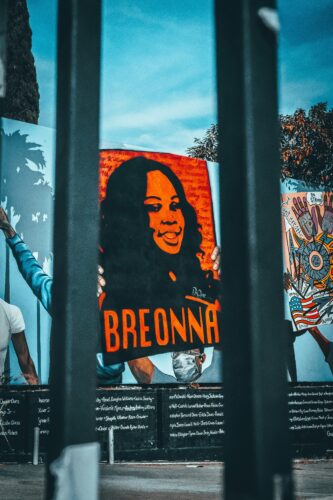
So far, the Crowd Counting Consortium has identified 47 events honoring Taylor on the anniversary of her death in more than 30 localities.
Commentary
One issue has dominated environmental protest activity in the U.S. for at least the past four years, and that’s climate change.
Commentary
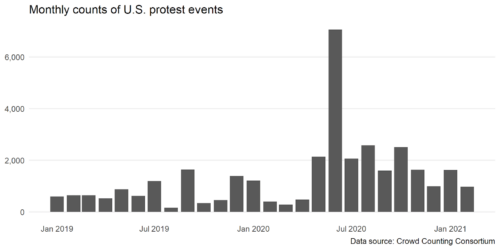
So far, we’ve recorded 980 protest events in the U.S. in February 2021, with about 29,000 to 35,000 reported participants in them.
Commentary
Commentary
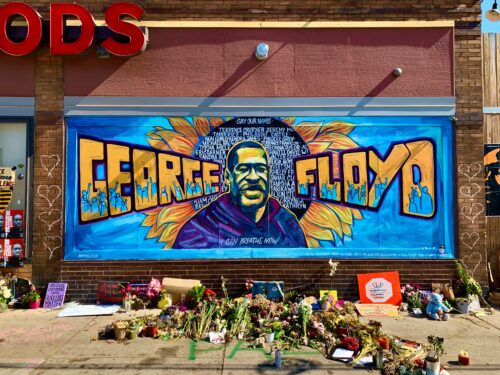
Just how large and broad was that wave of protests after the death of George Floyd? How destructive was it? And how did police and right-wing counter-protesters respond to it?
Commentary
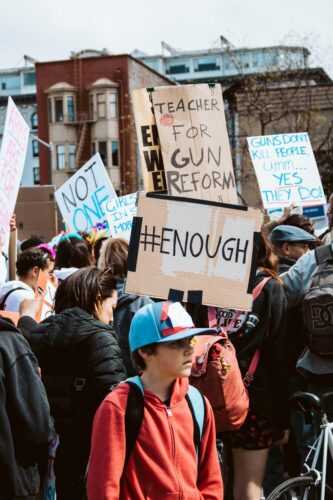
Under the Trump administration, what did Americans protest about?
Video
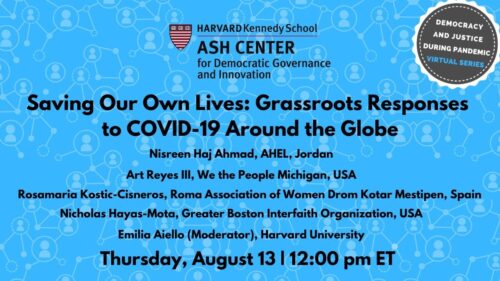
To what extent have these organizations proven better equipped to deal with the pandemic response, and what are the challenges that these associations face when organizing in the age of COVID-19? In addition, how can they seize this moment to turn their organizing into power and influence in political and economic life?
Article
Archon Fung argues that American democracy is eroding because everyone—campaigns, politicians, journalists, social media platforms, and citizens—pursues narrow self-interest instead of protecting it. He points to attack ads, gerrymandering, policy that favors the wealthy, “fake news,” and low voter turnout as evidence.